
Buying a vehicle is one of the most significant purchases you’ll make, and the dealership you choose can make or break the experience. Beyond price, the right dealership offers transparency, quality service, and long-term support. Many buyers rush the process or focus solely on incentives, but a thoughtful approach ensures you get a vehicle that fits your lifestyle and peace of mind for years to come.
This guide dives into practical steps, considerations, and insider tips for evaluating dealerships. Whether you’re looking for a first car, upgrading, or investing in an off-road vehicle, this advice will help you make a confident, informed decision.
Understand Your Vehicle Needs
Before stepping onto a lot, clearly define what you need from your vehicle. Are you shopping for a daily commuter, a family SUV, or something adventurous for weekends? Understanding your lifestyle will guide which dealerships and brands are worth visiting. Taking the time to evaluate your priorities upfront can prevent costly mistakes and ensure that the vehicle you choose meets your practical and personal needs for years to come.
Dealerships often specialize in certain types of vehicles. For instance, a ford dealership may carry everything from compact cars designed for city driving to heavy-duty trucks suited for towing and outdoor recreation. If your weekends are filled with off-road adventures or outdoor activities, seek out dealers advertising atvs for sale—they often have staff with firsthand knowledge who can explain features, performance, and safety considerations. Even within a single dealership, different models will suit different lifestyles, so it’s important to match vehicle capabilities with how you plan to use them.
Consider the following when defining your needs:
- Passenger space, cargo needs, and towing capacity: Ensure the vehicle comfortably fits your family or gear while supporting any additional load requirements.
- Fuel efficiency vs. power requirements: A balance between cost-effective driving and the power you need for highways, hills, or hauling equipment.
- Long-term reliability and resale value: Choosing a vehicle with a strong track record can reduce maintenance costs and retain value if you decide to upgrade later.
Additionally, think about optional features that enhance convenience and safety, such as all-wheel drive, integrated navigation systems, or advanced driver-assistance technologies. Visiting dealerships in person or exploring their online inventory can help you visualize which options fit your lifestyle and budget. Making this assessment before stepping onto a lot saves time, reduces stress, and prevents impulsive purchases that might not meet your long-term needs.
Decide Between New and Used Vehicles

The next step is deciding whether a new or used vehicle makes sense for you. Each option has distinct advantages, and understanding these can help you make a choice that aligns with your budget, lifestyle, and long-term goals.
New Cars:
- Equipped with the latest technology and safety features, new cars often include advanced driver-assistance systems, infotainment upgrades, and improved fuel efficiency compared to older models.
- Come with full manufacturer warranties and, in many cases, complimentary maintenance perks for the first few years. This can reduce stress and cost during the initial ownership period.
- May include financing deals, lease options, and manufacturer incentives, such as cash-back offers or low-interest rates, making them more accessible than many assume.
Used Cars:
- Typically cost less upfront and avoid the steep initial depreciation that occurs with new vehicles, allowing for more flexibility in your budget.
- Certified pre-owned (CPO) programs often provide warranties, thorough inspections, and sometimes even roadside assistance, giving the reliability of a new vehicle at a lower price point.
- Can offer better value for features in higher-end trims—used luxury or tech-packed vehicles may be more affordable than buying them new.
When comparing dealerships, it’s important to review the quality and variety of both new cars for sale and used cars for sale. Look closely at certified pre-owned options, as these programs give extra confidence in reliability and condition. Inspect vehicles thoroughly, paying attention to mileage, wear, service history, and any signs of accidents. Additionally, explore financing options for both new and used vehicles to determine which provides the most manageable monthly payments and long-term value.
Finally, consider your priorities: if you want the latest technology and peace of mind, a new vehicle may be ideal. If value and features are more important, a well-maintained used or certified pre-owned car may be a smarter choice. Combining careful research with hands-on inspection ensures you make a decision that fits both your budget and lifestyle.
Research Brand Reputation
Reputation matters when choosing a dealership because it often reflects the overall quality of service, transparency, and customer experience you can expect. A high-quality dealership should be easy to communicate with, provide knowledgeable staff, and demonstrate a genuine commitment to customer satisfaction. Before committing to a purchase, it’s essential to research local gmc dealership and chevy dealership options to see how they compare in these areas.
Key indicators of a trustworthy dealership include:
- Positive customer reviews on multiple platforms: Look beyond star ratings; read full reviews to understand common themes such as honesty, timeliness, and after-sales support.
- Recognition for service quality or awards: Dealerships that have won local or manufacturer awards often maintain higher standards in both sales and service departments.
- Clear and fair pricing policies: Transparency in pricing, fees, and financing options indicates that the dealership values integrity over quick sales.
In addition to online research, direct interaction can reveal a lot. Call the dealership with specific questions about inventory, financing, or service options. How quickly and thoroughly staff respond often reflects the dealership’s commitment to customer satisfaction. While visiting, observe how sales representatives interact with other customers and whether they offer helpful guidance without pressure.
Also, inquire about loyalty programs or incentives for repeat customers. Dealerships that reward long-term relationships often focus on building trust and providing ongoing support, rather than just making one-time sales. Checking references or asking friends and family for recommendations can also provide valuable insight into a dealership’s reputation. By thoroughly researching brand reputation, you can avoid potential frustrations and select a dealership that prioritizes honesty, reliability, and long-term customer care.
Look for Comprehensive Services
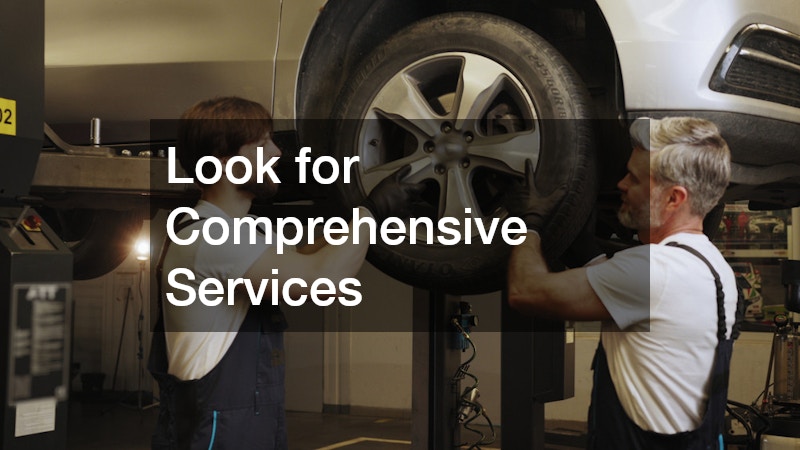
Buying a vehicle is only the first step; reliable service afterward is just as important. Even the most reliable vehicles require regular maintenance, occasional repairs, and sometimes more extensive bodywork. A dealership that offers a collision repair shop ensures that any accidents or bodywork needs can be handled professionally, efficiently, and often under one roof, which saves time and reduces stress.
Dealerships like a toyota dealership often have integrated service departments that manage routine maintenance, warranty repairs, and parts replacement. Using a dealership for these services ensures that certified technicians familiar with your vehicle make perform the work correctly and that original manufacturer parts are used. This is especially important for preserving warranty coverage and the long-term value of your vehicle.
When evaluating service offerings, consider:
- Availability of certified technicians: Check if the dealership employs factory-trained specialists who understand your specific vehicle model and its maintenance requirements.
- Quality of repair work and customer reviews: Research reviews or ask for references to gauge the dealership’s service reliability, timeliness, and customer satisfaction.
- Whether loaner vehicles are offered during extended repairs: Having access to a loaner car can make maintenance or repairs much more convenient, especially for daily commuters or families.
Additionally, some dealerships offer perks such as online scheduling, service reminders, and multi-point inspections during routine visits. They may also provide complementary services like tire rotations, fluid checks, or brake inspections to ensure your vehicle remains safe and reliable. Choosing a dealership with robust service options ensures that ownership is not only convenient but also protective of your investment. Over time, having access to trusted maintenance and repair services can save you significant money and headaches, while giving you peace of mind that your vehicle is in expert hands.
Evaluate Maintenance and Repair Support
Maintenance is an ongoing part of owning a vehicle, and partnering with a dealership that offers reliable car repair services can make a significant difference in cost, convenience, and vehicle longevity. Even minor issues—if left unchecked—can turn into major, expensive repairs. For example, a small brake problem or delayed fluid change can compromise safety and performance. Access to a specialized brake shop within a dealership ensures that these critical safety components are addressed promptly and professionally, giving you peace of mind every time you drive.
When evaluating dealerships for maintenance and repair support, it’s important to look beyond the sales floor. Consider:
- Scheduling routine maintenance and car repairs: Visiting the dealership for regular oil changes, inspections, tune-ups, and other car repair needs is a practical way to gauge efficiency, professionalism, and customer service.
- Availability of specialized services: Ask whether the dealership offers brake repairs, transmission service, fluid flushes, or other model-specific maintenance, and how quickly these services can be completed.
- Service pricing comparison: Ensure that the dealership’s rates are competitive with local independent shops while maintaining quality standards.
- Parts and technician availability: Confirm that replacement parts are genuine or manufacturer-approved, and that certified technicians handle all car repair and maintenance tasks to maintain warranty compliance and vehicle performance.
Additionally, consider dealerships that provide convenient features such as online service scheduling, service reminders, or multi-point inspections with every visit. These small conveniences can save time and reduce stress. The goal is to work with a dealership that supports you long after the sale, ensuring safe, consistent maintenance and car repair that protects your investment and prolongs the life of your vehicle. By choosing a dealership with strong repair capabilities, you avoid unexpected costs, maintain reliability, and enjoy confidence in every drive.
Compare Financing and Incentives

Financing can have a significant impact on the total cost of your vehicle, sometimes adding thousands of dollars in interest over the life of a loan if not carefully evaluated. Dealerships offer a variety of promotions, financing options, and trade-in incentives, making it essential to compare offers before making a decision. Taking a methodical approach can save money, reduce stress, and ensure that your monthly payments fit comfortably within your budget.
To maximize value, consider the following:
- Use online calculators: Estimate monthly payments under different loan amounts, interest rates, and loan terms. This helps you understand the financial impact of various options and prevents surprises later.
- Compare loan rates from multiple dealerships: Even small differences in interest rates can save hundreds or thousands of dollars over the life of a loan. Check rates offered by the dealership, banks, and credit unions.
- Explore incentives and promotions: Many dealerships offer seasonal promotions, manufacturer rebates, or zero-percent financing for qualified buyers. Some also provide cash-back deals on trade-ins or loyalty programs for repeat customers. Understanding all available incentives ensures you don’t miss out on potential savings.
- Request written confirmation: Always get detailed, written documentation of financing terms, including trade-in evaluations, interest rates, loan length, and monthly payments. Verbal promises alone are not sufficient.
Additionally, consider the total cost rather than just the monthly payment. Some dealerships may lower monthly payments by extending the loan term, which increases overall interest paid. Evaluate fees, prepayment penalties, and warranty packages included in financing offers. Being thorough with research and comparison allows you to negotiate confidently and select a financing option that aligns with both your budget and long-term financial goals. A careful approach ensures you secure the best deal and make your vehicle purchase as affordable and sustainable as possible.
Test Drive and Visit Dealerships
Seeing a vehicle in person and taking it for a test drive is irreplaceable. Visiting multiple dealerships allows you to evaluate staff, inventory, and overall experience.
Key observations:
- Cleanliness and organization of the showroom and service areas
- Comfort, handling, and features during test drives
- Professionalism and knowledge of sales staff
- Availability of different models and trims
Test-driving both popular and lesser-known models ensures you make a well-informed decision, not one based solely on online listings or recommendations.
Consider After-Sales Support
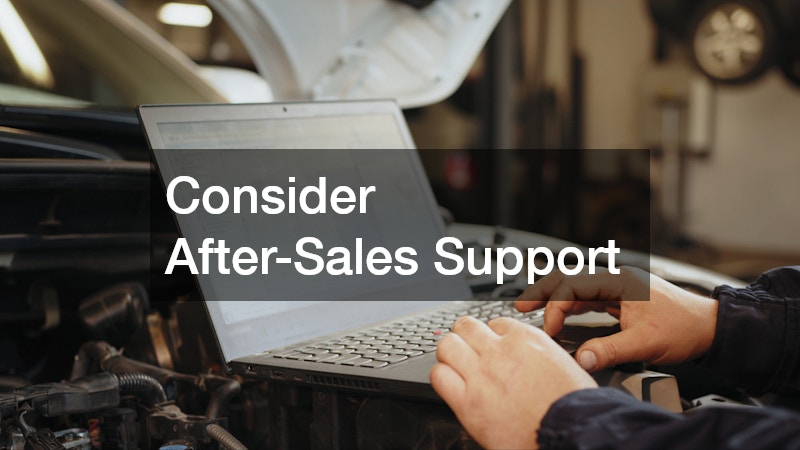
A strong after-sales program separates great dealerships from average ones. After-sales support can include routine inspections, extended warranties, and roadside assistance.
Evaluate:
- Warranty coverage, including wear items like brakes
- Frequency and availability of complimentary inspections
- Ease of scheduling service appointments
- Responsiveness of the dealership to questions or issues
Robust after-sales support provides peace of mind and protects your investment long after the purchase.
Make a Confident Decision
After gathering all information, compare dealerships based on inventory, service, reputation, financing, and support. A systematic approach ensures you choose a dealership that aligns with your needs.
Steps to finalize:
- Create a side-by-side comparison of dealerships
- Review test drive impressions and inspection notes
- Confirm that verbal promises are documented in contracts
- Take the time you need to feel confident in your decision
By carefully weighing your options, you can select a dealership that not only provides a vehicle but also supports you as a valued customer.
Choosing the right dealership is about more than price—it’s about trust, reliability, and long-term support. By understanding your needs, evaluating inventory, researching brands, and assessing service and financing options, you can make a confident decision. A thoughtful approach ensures your vehicle purchase is smooth, enjoyable, and backed by a dealership that will support you for years to come.