
Truck engine problems can quickly become expensive disruptions when a vehicle depends on reliable performance for work, transportation, or heavy-duty hauling. Although some maintenance tasks may be suitable for general automotive shops, diesel engines have specialized components, operating characteristics, and diagnostic requirements. Choosing technicians who routinely work with these systems can make repairs more accurate and help prevent small issues from developing into larger mechanical failures.
Diesel-Specific Knowledge Improves Diagnosis
Diesel engines operate differently from gasoline engines, so diagnosing a problem requires familiarity with systems such as fuel injection, turbochargers, glow plugs, exhaust aftertreatment, and high-pressure fuel delivery. A technician who primarily services passenger vehicles may recognize general symptoms but lack the specialized experience needed to identify the underlying cause of a diesel engine concern.
A diesel repair shop works with diagnostic equipment and procedures designed for heavy-duty diesel systems. When an engine develops hard starting, excessive smoke, rough operation, reduced power, or unusual noises, proper testing can help determine whether the problem involves fuel delivery, air intake, combustion, electronics, or another component. Accurate diagnosis matters because replacing unrelated parts can increase costs without resolving the original problem.
Diesel engines also place substantial demands on their internal components. Issues involving injectors, cylinder compression, cooling systems, or lubrication can affect performance throughout the engine. Technicians who understand these relationships can evaluate symptoms in context rather than treating each warning sign as an isolated problem.
Specialized Repairs Protect Engine Performance
Many diesel engine repairs require procedures that differ from those used on gasoline-powered vehicles. Fuel systems, turbochargers, emissions equipment, and electronic controls often require specific testing, adjustment, or calibration. Using the wrong procedure or overlooking a related component can leave the engine operating inefficiently or create additional problems after the repair.
Heavy-duty vehicles also tend to operate under demanding conditions. Towing, hauling, extended idling, long-distance driving, and frequent stop-and-go use can place added stress on cooling, lubrication, fuel, and exhaust systems. A technician experienced with diesel applications can account for these conditions when determining what needs to be repaired and whether surrounding components should be inspected.
Preventive attention is another important part of professional engine service. During a repair, technicians may identify worn components, fluid issues, leaks, or other developing concerns that could affect reliability later. Addressing those issues before they cause a breakdown can help reduce downtime and protect the vehicle’s overall performance.
Specialized facilities may also have equipment suited to larger trucks, including heavy-duty lifts, diagnostic systems, and tools for accessing engine and fuel system components. The right equipment can make a meaningful difference when components are difficult to reach or require specialized testing. It also allows technicians to complete repairs according to procedures intended for the vehicle’s particular application.
Professional Service Can Reduce Long-Term Costs
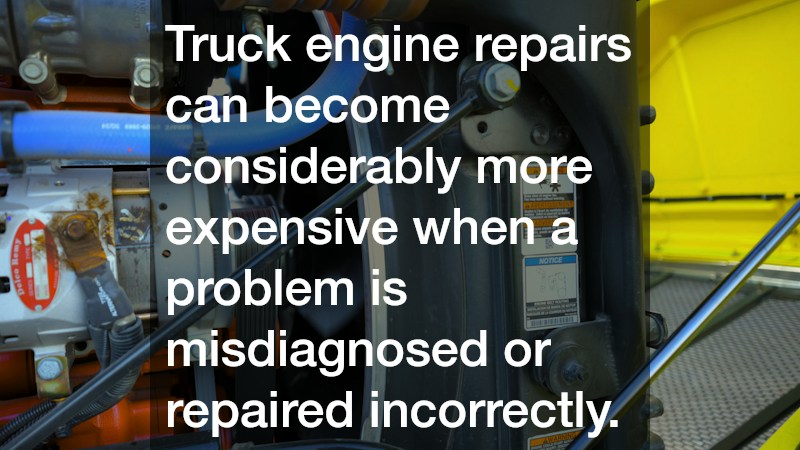
Truck engine repairs can become considerably more expensive when a problem is misdiagnosed or repaired incorrectly. A vehicle may need to return for additional work, while continued operation with an unresolved issue can cause damage to other components. Having the problem evaluated by technicians familiar with diesel engines can help limit unnecessary repairs and address the source of the concern more effectively.
A diesel repair shop can also provide recommendations based on the truck’s specific engine, workload, and service history. This approach is particularly useful for commercial vehicles, where unexpected downtime can affect schedules, deliveries, and operating costs. Properly performed repairs can help keep a truck working reliably while reducing the likelihood of repeated mechanical problems.
Professional repairs are also about more than replacing a failed component. Technicians need to verify that systems are functioning correctly after the work is completed and identify whether additional maintenance is appropriate. This attention to the complete system can help restore dependable operation instead of simply addressing the most obvious symptom.
Truck engines deserve specialized attention because their design, components, and operating demands differ from those of typical gasoline-powered vehicles. From accurate diagnostics to complex repairs and preventive inspections, qualified diesel technicians can address engine problems with the specialized knowledge and equipment the work requires. Choosing the right repair provider can help protect performance, minimize downtime, and support dependable truck operation over the long term.
Selecting a diesel repair shop for these services gives truck owners a practical way to keep specialized engine work focused, accurate, and suited to demanding applications while avoiding unnecessary delays altogether.