
Rising vehicle prices and stubborn supply chain delays have made replacing a damaged or aging car a much bigger financial decision than it used to be. Many owners are discovering that a well-executed repair can restore both the safety and appearance of their vehicle at a fraction of the cost of buying new. This shift isn’t just about saving money either, it reflects a growing awareness of what modern repair techniques can actually accomplish. If you’re weighing your options this year, understanding where repair makes sense can help you avoid an unnecessary and expensive upgrade.
Rising New and Used Vehicle Prices Change the Math
Vehicle prices have climbed steadily over the past few years, and even used cars carry price tags that would have seemed unreasonable a decade ago. Interest rates on auto loans have also increased, which means monthly payments stretch further into a household budget than before. For many owners, the numbers simply do not justify walking away from a car that runs well but has cosmetic or mechanical issues. Repair costs, by comparison, have stayed relatively predictable and manageable.
This financial pressure has pushed people to look more seriously at what their current vehicle is actually worth fixing. A car with a solid engine and clean maintenance history is often worth far more to its current owner than its trade-in value would suggest. That reality alone is driving a lot of the repair-first mindset this year.
How Modern Collision Techniques Save Damaged Vehicles
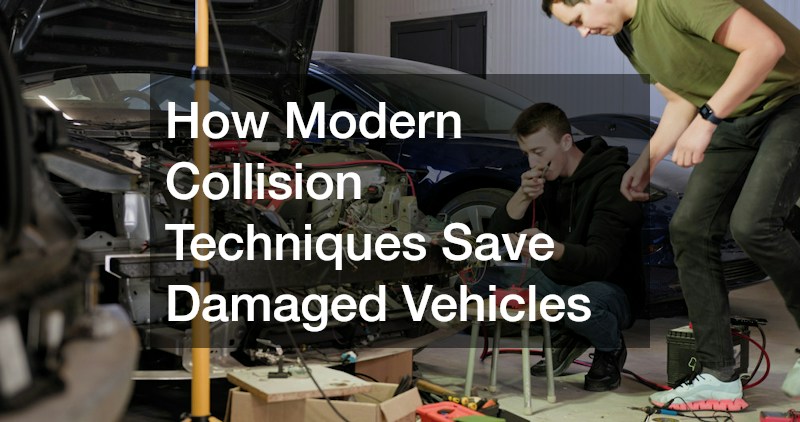
Body shops have access to tools and training today that simply did not exist a generation ago. Frame straightening machines, computerized measuring systems, and factory-matched paint codes allow technicians to bring a damaged vehicle back to its original specifications. This means a car that once might have been declared a total loss can now be restored safely and reliably. An experienced auto body collision repair team can often identify which components are salvageable and which need replacement, keeping costs down without cutting corners on safety.
Insurance adjusters also rely on these advances when deciding whether to total a vehicle. If the estimated repair cost stays meaningfully below the vehicle’s actual cash value, most insurers will approve the repair rather than write a check for a replacement. Owners who understand this process can advocate for themselves more effectively and avoid being pushed toward a decision that isn’t in their best interest.
Why Brand-Specific Expertise Matters for Certain Repairs
Not all repair shops are equally equipped to handle every make and model, and this becomes especially clear with vehicles that have specific engineering quirks. Owners of popular Japanese models have increasingly sought out shops that specialize in their brand rather than general facilities. A shop offering dedicated honda collision repair, for example, will have access to factory service data, brand-specific tools, and technicians who understand the particular structural design of that manufacturer’s vehicles. This specialization often results in a more precise repair and a better fit for body panels and safety systems.
Choosing a specialized shop also tends to protect resale value down the road. Buyers and appraisers can sometimes spot mismatched paint or improperly aligned panels from generalist repair work, which can hurt a vehicle’s value at trade-in time. Brand-focused technicians are trained to avoid these subtle mistakes.
Fixing Minor Dents Without Repainting the Panel
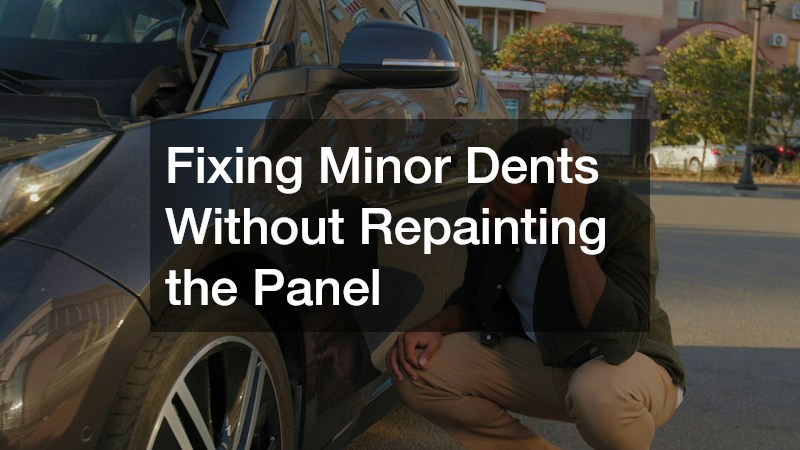
One of the biggest shifts in repair culture has been the rise of paintless dent repair as a mainstream option rather than a niche service. This technique uses specialized tools to massage small dents out from behind the panel, preserving the factory paint finish entirely. It works especially well on hail damage, minor door dings, and shopping cart dents where the paint surface itself hasn’t been broken. Because there’s no need for fillers, sanding, or repainting, the process is typically faster and considerably less expensive than traditional bodywork.
- Turnaround time is often measured in hours rather than days
- The original factory paint remains intact, which helps preserve value
- It works best on dents without sharp creases or cracked paint
- It’s frequently covered under comprehensive insurance with a low deductible
- It produces far less waste than traditional panel replacement
Addressing Hidden Moisture and Mold Issues After Water Damage
Flood damage, leaking sunroofs, and long-term humidity exposure can create problems that go well beyond what’s visible on the surface. Moisture trapped in carpeting, seat foam, and insulation can lead to mold growth that affects both air quality and the structural integrity of interior components. Left unaddressed for even a few days, damp padding can develop a musty smell that seeps into the cabin’s soft surfaces and becomes difficult to fully eliminate later. Professional auto mold removal involves more than a simple wipe-down. It typically requires pulling up flooring and door panels, treating the affected materials with antimicrobial solutions, and using moisture meters to confirm that humidity levels inside the cabin have returned to normal before anything is reassembled. Technicians often check hard-to-reach areas like under the carpet padding, inside the door sills, and behind dashboard components, since these spots retain moisture long after the visible surfaces appear dry. In more severe cases, seat foam and headliners may need to be replaced outright rather than treated, particularly if the material has been saturated for an extended period. Some shops also use industrial dehumidifiers or ozone treatments to address odors embedded deep in the upholstery fibers. Skipping this step can lead to lingering odors, corroded electrical connectors, and health concerns for anyone who regularly rides in the vehicle, including allergy flare-ups or respiratory irritation from mold spores circulating through the HVAC system.
Owners sometimes assume that a musty smell means the car is beyond saving, but this is rarely the case if the damage is caught early. A thorough inspection can determine whether the affected area is limited to carpeting and padding or has spread further into the vehicle’s electrical systems, wiring harnesses, or the HVAC ductwork that circulates air throughout the cabin. Technicians typically start by pulling back carpeting and removing seats to check the subfloor, since standing water tends to pool in these low points long after the surface appears dry. Moisture meters and borescopes let them check inside door panels, under the dash, and within the headliner without tearing everything apart unnecessarily. Catching trapped moisture within the first 24 to 48 hours makes a significant difference, since mold spores can begin establishing colonies within that window. If the damage is contained, the fix often involves professional-grade drying equipment, antimicrobial treatments, and replacing only the padding or insulation that absorbed water, rather than gutting the interior. In more advanced cases, connectors and fuse boxes may need cleaning or replacement to prevent corrosion-related electrical faults down the road, which is a common reason drivers mistakenly write off a car as unfixable. Addressing it properly now is almost always cheaper than replacing a vehicle over what turns out to be a treatable issue. A proper mold remediation and drying job might run a few hundred to around a thousand dollars depending on severity, a fraction of the cost of sourcing another vehicle.
Deciding Between Engine Rebuilding and Replacement
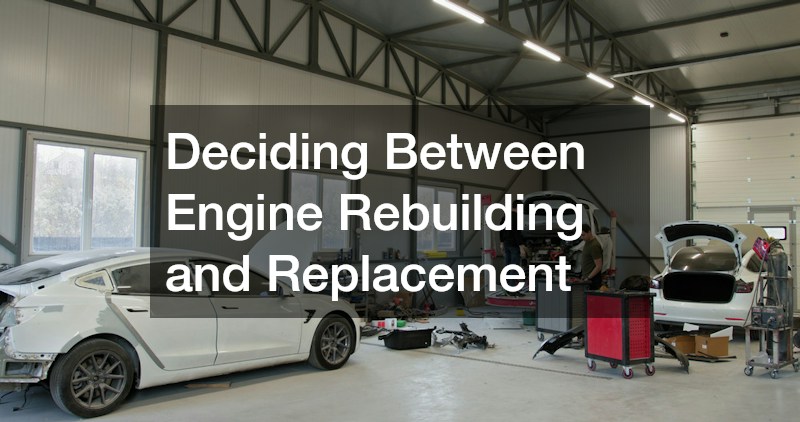
When a vehicle’s engine develops serious internal problems, owners are often told the only solution is a full engine swap or trading in the car entirely. In many cases, however, a specialized diesel machine shop can rebuild or recondition major engine components rather than replacing the whole assembly. Machining services like cylinder head resurfacing, block boring, and crankshaft grinding can restore an engine to like-new tolerances for a fraction of the cost of a new powertrain. This is particularly relevant for diesel truck owners, since diesel engines are generally built with more rebuildable components than their gasoline counterparts.
Rebuilding also tends to be a more sustainable choice, since it keeps heavy machined parts out of landfills and reduces the demand for newly manufactured components. Owners who invest in a proper rebuild often report that their vehicle performs as well, or better, than it did when new. This option deserves serious consideration before assuming a costly replacement is the only path forward.
Knowing When Replacement Still Makes More Sense
Repair isn’t always the right call, and recognizing the signs that a vehicle has reached the end of its useful life is just as important as knowing when to fix it. Frame damage that compromises structural integrity, repeated mechanical failures in the same system, or repair costs that approach the vehicle’s total value are all signals worth taking seriously. In these situations, some owners choose to shift their attention toward finding a suitable replacement vehicle rather than sinking more money into repairs.
- Structural or frame damage that affects crash safety
- Repair estimates exceeding roughly 75 percent of the vehicle’s value
- Recurring failures in the transmission or engine despite previous repairs
- A vehicle that no longer meets the owner’s practical needs, such as towing capacity
For owners in this position, exploring semi truck sales or other commercial vehicle options can make sense if their needs have shifted toward business use or heavier hauling requirements. Weighing these options honestly, rather than defaulting to either extreme, leads to better long-term outcomes.
Choosing a Reliable Shop for Long-Term Vehicle Care
Whatever repair path an owner chooses, the quality of the shop performing the work matters enormously. A well-run auto body shop should be transparent about parts sourcing, warranty coverage, and estimated timelines before any work begins. It’s worth asking upfront whether repairs will use OEM parts, aftermarket parts, or a mix of both, since this affects both cost and long-term fit or finish. Certifications are another key signal of quality. Look for I-CAR Gold Class training or manufacturer-specific certifications, especially for vehicles with aluminum bodies or advanced driver-assistance systems that require specialized calibration after repairs. Owners should also request to see examples of previous work, ideally on a similar make or model, and read recent customer reviews rather than relying solely on a shop’s own testimonials. A reputable shop should offer a written warranty on both parts and labor, often ranging from one year to a lifetime guarantee against rust or workmanship defects. Finally, confirm whether the shop works directly with the owner’s insurance provider to simplify the claims process. Shops with established insurance relationships can often handle estimates, paperwork, and supplement requests directly, reducing delays and out-of-pocket surprises.
- Ask whether the shop offers a written warranty on parts and labor, and check the coverage period — most reputable shops offer at least 12 months or 12,000 miles
- Confirm whether OEM or aftermarket parts will be used for the repair, since this can affect both cost and resale value down the road
- Check online reviews specifically mentioning paint matching and fit, as these details reveal a shop’s true craftsmanship better than general star ratings
- Look for certifications like ASE or I-CAR, which indicate technicians are trained on current repair standards and safety systems
- Request a detailed written estimate before authorizing any work, including a breakdown of labor hours, parts costs, and any diagnostic fees
- Ask about turnaround time upfront, and get it in writing if your daily routine depends on the vehicle being ready by a certain date
Deciding between repair and replacement doesn’t have to be an overwhelming choice once you understand the options available today. From precise collision work to engine rebuilding and mold remediation, modern repair techniques can extend a vehicle’s life far beyond what many owners assume is possible. Start by getting a clear, written estimate from a shop you trust, and use that information to make a decision grounded in facts rather than guesswork. In most cases, you may find that your current vehicle still has plenty of life left in it.