
Engines are the foundation of countless vehicles, machines, and pieces of heavy equipment used in transportation, construction, agriculture, recreation, and industrial work. Whether an engine powers a commercial truck, compact utility vehicle, marine vessel, or construction machine, consistent maintenance plays an important role in performance, efficiency, and equipment longevity. Neglecting routine service can contribute to reduced power, higher fuel consumption, unexpected downtime, and more expensive repairs.
Optimizing engine care requires more than changing oil on schedule. Owners and operators should also consider cooling systems, fuel quality, air intake, hydraulic components, working conditions, and the additional strain created by attachments or specialized equipment. A coordinated approach to maintenance can help keep machines reliable while reducing the risk of avoidable mechanical problems.
Follow a Consistent Maintenance Schedule
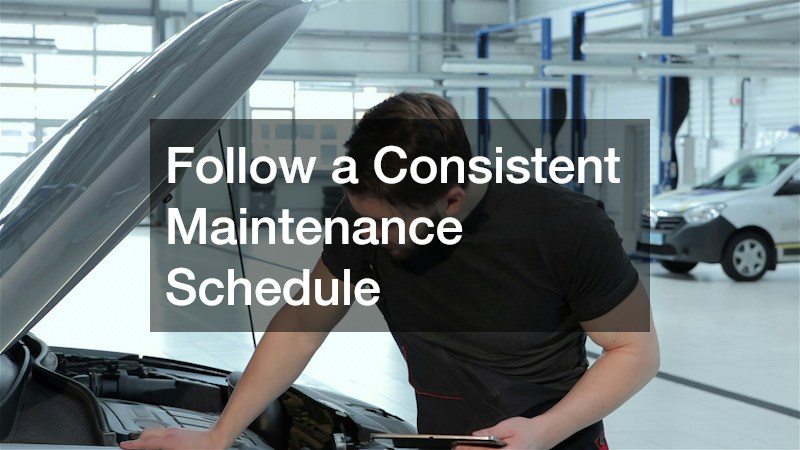
Every engine operates according to service intervals established by its manufacturer. These intervals typically account for operating hours, mileage, age, and the conditions in which the machine is used. Following those recommendations gives owners a reliable framework for preventive maintenance.
Oil changes are especially important because engine oil lubricates internal components, reduces friction, and helps control heat. Over time, oil collects contaminants and gradually loses its ability to protect moving parts. Using the correct oil grade and replacing filters at recommended intervals can help reduce unnecessary internal wear.
Maintenance schedules should also include inspections of belts, hoses, batteries, spark plugs, fuel filters, coolant, and other components. Equipment that operates in demanding environments may require more frequent attention. For example, a dump truck that regularly travels through dusty construction sites may need more frequent air-filter inspections than a highway vehicle operating under relatively clean conditions.
Keeping accurate service records can also help operators identify recurring issues and anticipate future maintenance needs. A documented history provides technicians with useful information when diagnosing problems and can help prevent necessary maintenance from being overlooked.
Pay Attention to Cooling System Performance
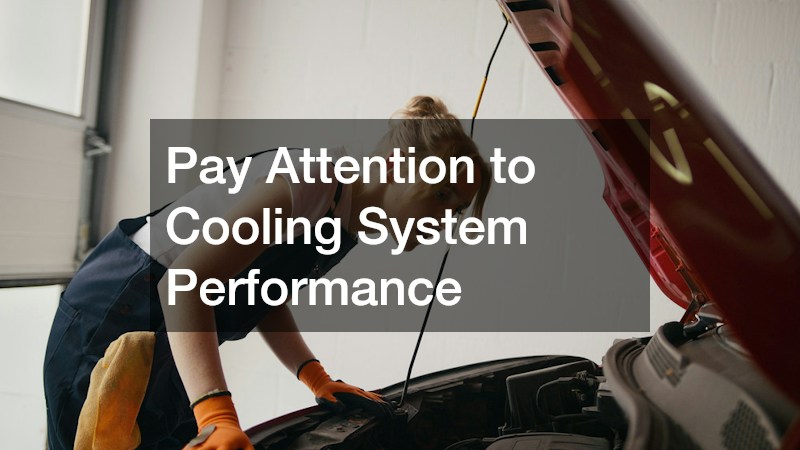
Excessive heat is one of the most damaging conditions an engine can experience. Cooling systems are designed to maintain operating temperatures within a safe range, but leaks, low coolant levels, clogged radiators, damaged hoses, and malfunctioning thermostats can interfere with that process.
Operators should regularly inspect coolant levels and look for signs of leakage around hoses, pumps, radiators, and fittings. Coolant that appears contaminated or discolored may also indicate that service is needed. Because different engines require specific coolant formulations, owners should follow manufacturer recommendations rather than assuming that all coolant products are interchangeable.
Machines working under heavy loads may generate considerably more heat than those operating under light-duty conditions. Equipment used for lifting, hauling, grading, or pushing material can place sustained demands on the engine. Monitoring temperature gauges during operation allows operators to identify abnormal heat levels before overheating causes major damage.
Protect the Engine From Contaminants
Air, fuel, and oil must remain relatively clean for an engine to operate efficiently. Dirt and other contaminants can accelerate wear, restrict airflow, interfere with combustion, and damage sensitive components.
Air filters are particularly important for equipment used on farms, construction sites, gravel roads, and other dusty environments. A clogged filter can restrict the amount of air entering the engine, potentially reducing power and increasing fuel consumption. Filters should be inspected regularly and replaced according to the operating environment rather than relying exclusively on mileage.
Fuel quality is equally important. Water, sediment, or deteriorated fuel can interfere with injectors, carburetors, pumps, and combustion. Machines that sit unused for long periods may require additional attention because stored fuel can degrade over time.
Owners who purchase farm supplies for tractors, utility vehicles, generators, and other equipment should consider keeping replacement filters, approved fluids, and commonly needed maintenance materials available. Having basic service components on hand can make it easier to address routine maintenance before minor issues become larger problems.
Match Maintenance to Workload
Two identical engines can experience very different levels of wear depending on how they are used. Operating hours, load weight, idle time, temperature, terrain, and attachment use all influence maintenance requirements.
Commercial trucks that carry heavy loads may experience additional strain on cooling, lubrication, braking, and drivetrain systems. Similarly, machines used for excavation or material handling may spend long periods operating under substantial engine load.
Seasonal work can create additional maintenance challenges. Vehicles equipped with snow plow blades, for example, may experience repeated low-speed operation, heavy electrical demand, abrupt changes in load, and prolonged exposure to road salt. Preparing the engine and related systems before winter can help reduce the chance of problems during demanding snow-removal operations.
Operators should also inspect equipment after periods of unusually heavy use. Maintenance based entirely on calendar intervals may not be sufficient when machines operate continuously or under extreme conditions.
Maintain Hydraulic Systems Alongside Engines
Many pieces of heavy equipment depend on both an engine and a hydraulic system. The engine generates the power, while hydraulics control movement, lifting, steering, attachments, and other essential functions.
Problems with hydraulic components can force the engine to work harder than necessary. Contaminated fluid, restricted filters, damaged pumps, or leaking hydraulic cylinders can reduce system efficiency and increase operating strain. Regular hydraulic inspections should therefore be treated as an important element of overall equipment care.
Operators should monitor hydraulic fluid levels and look for leaks around hoses, fittings, seals, and cylinders. Slow movement, jerking, unusual noises, or decreased lifting capacity can indicate developing hydraulic problems.
Maintaining clean hydraulic fluid is especially important because small contaminants can damage valves and precision components. Equipment manufacturers typically specify both a fluid type and replacement interval, and following those recommendations can help protect the entire system.
Consider Engine Load When Modifying Vehicles
Vehicle modifications can improve functionality, appearance, storage capacity, and job-site usefulness, but owners should consider how added equipment affects the engine and supporting systems.
Truck customization may involve adding bumpers, toolboxes, lighting, winches, suspension components, racks, towing equipment, or other accessories. Each modification can change vehicle weight, electrical demand, aerodynamics, or workload. Heavier accessories and larger tires may require the engine and drivetrain to work harder, particularly during acceleration, towing, or travel on steep terrain.
Owners should evaluate whether modifications remain within the vehicle’s recommended weight and towing limits. Additional maintenance may also be appropriate for modified vehicles that regularly operate under increased loads.
Careful planning can help ensure that customization supports the vehicle’s intended use without unnecessarily increasing mechanical strain.
Address External Damage Before It Spreads
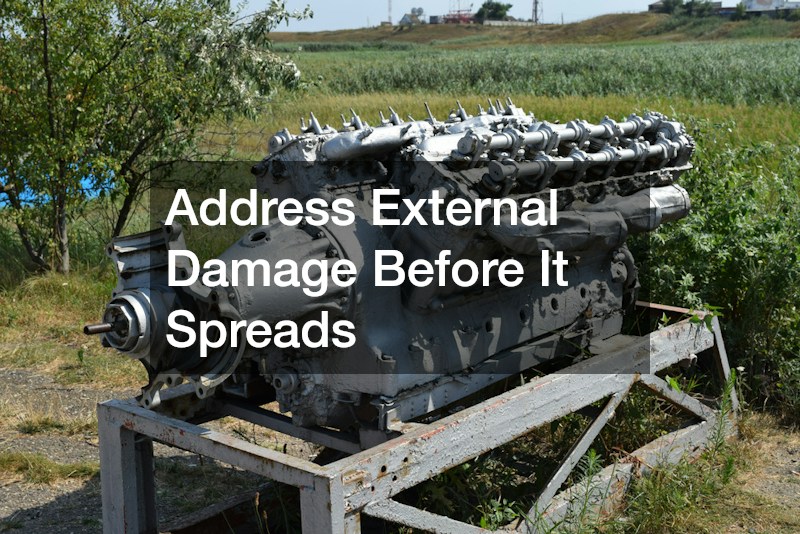
Although engine maintenance focuses primarily on mechanical systems, exterior damage can sometimes affect components located behind body panels. Even relatively minor collisions can damage brackets, airflow components, sensors, wiring, or cooling-system parts.
After an impact, car bumper repair may involve more than restoring appearance. Modern bumpers frequently surround sensors, mounting hardware, air ducts, and components associated with driver-assistance technology. Damage in the front of a vehicle can also affect airflow through the radiator or condenser.
Drivers should pay attention to warning lights, unusual temperatures, strange noises, fluid leaks, or changes in handling after any collision. A visual inspection alone may not reveal every mechanical problem.
Addressing damage promptly can help prevent a relatively small repair from developing into a larger issue involving the cooling system, electrical system, or engine accessories.
Maintain Marine Engines for Their Environment
Marine engines operate under conditions that differ considerably from those experienced by most road vehicles. Constant exposure to moisture, salt, changing water temperatures, and extended periods of storage creates unique maintenance requirements.
Owners shopping through boat dealers should review the recommended maintenance schedule for any vessel they purchase, including requirements for engine oil, gearcase lubricant, fuel filters, cooling systems, and winterization.
Saltwater operation generally requires additional cleaning and flushing to reduce corrosion. Fuel systems also require attention because boats may sit unused for weeks or months between outings.
Owners considering motors from outboard dealers should also evaluate service availability and maintenance requirements before choosing an engine. Routine inspection of propellers, lower units, fuel lines, cooling-water passages, and batteries can help protect engine reliability throughout the boating season.
Winterization is especially important in climates where freezing temperatures occur. Water left inside an engine or related plumbing can freeze, expand, and damage internal components.
Give Smaller Utility Vehicles the Same Attention
Compact vehicles may require less fuel and carry lighter loads than large trucks or construction machines, but their engines still benefit from consistent maintenance.
Many yamaha golf carts are used not only on golf courses but also around campuses, industrial facilities, resorts, farms, neighborhoods, and large private properties. Depending on the model, maintenance may involve gasoline-engine service or electric drivetrain inspection.
Gas-powered utility carts typically require oil changes, air-filter service, spark-plug inspection, and fuel-system maintenance. Electric models require attention to batteries, cables, charging systems, and electrical connections.
Because these vehicles often travel short distances at low speeds, owners may underestimate how many operating hours they accumulate. Tracking usage and following service intervals can help maintain dependable performance.
Know When Engine Replacement Makes Sense
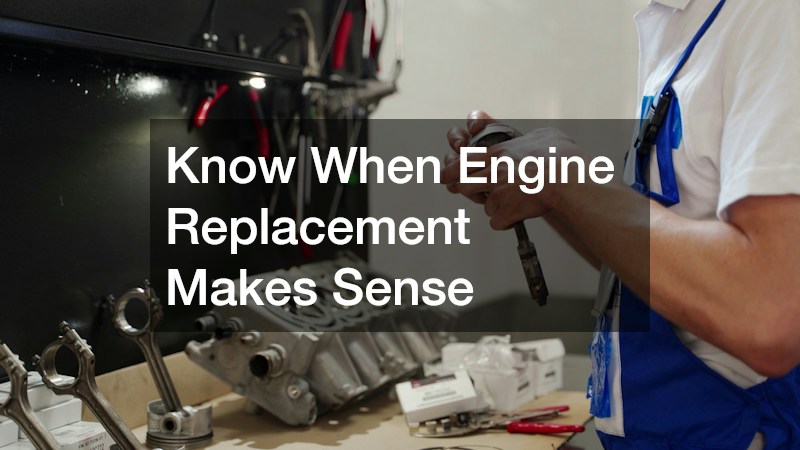
Routine maintenance can extend engine life, but eventually some engines require major rebuilding or replacement. The decision often depends on equipment age, repair cost, availability of replacement parts, and the condition of the machine as a whole.
For certain construction, agricultural, and industrial applications, a remanufactured kubota engine may provide an alternative to replacing an entire piece of equipment. Remanufactured engines are typically disassembled, inspected, cleaned, and rebuilt with components that meet defined specifications.
Before choosing a replacement engine, owners should confirm compatibility, specifications, warranty terms, and installation requirements. They should also evaluate the systems surrounding the engine. Installing a replacement without addressing damaged cooling components, contaminated fuel systems, or other underlying problems could shorten the new engine’s service life.
A qualified technician can help determine whether repair, rebuilding, or replacement is the most practical approach.
Account for Heavy Lifting and Specialized Equipment
Large construction projects frequently depend on machines that operate under considerable mechanical stress. Engines powering lifting and material-handling equipment may spend long periods under varying loads, making preventive maintenance especially important.
Businesses using crane rental services should confirm how equipment inspections, maintenance responsibilities, and operating checks are handled. Rental equipment should still receive routine pre-operation inspections, including checks for fluid leaks, warning indicators, abnormal sounds, and visible damage.
Operators should also follow load limits and operating procedures carefully. Overloading equipment can create excessive stress not only on structural components but also on engines, transmissions, hydraulic systems, and cooling systems.
Careful operation and proper maintenance work together. Even well-maintained equipment can experience accelerated wear if it is consistently operated outside its intended capacity.
Watch for Early Signs of Engine Trouble
Mechanical problems often produce warning signs before complete failure occurs. Operators who recognize these signs early may have an opportunity to correct problems before significant damage develops.
Changes in engine sound are one common indicator. Knocking, tapping, grinding, or squealing noises may point to lubrication problems, worn components, loose belts, or accessory failures.
Exhaust changes can also provide clues. Excessive smoke may indicate issues involving fuel delivery, oil consumption, combustion, or cooling-system problems. Reduced power, hard starting, irregular idling, and increased fuel consumption can also signal that an engine needs attention.
Dashboard warning lights should never be ignored. Modern engines use sensors to monitor temperature, pressure, emissions, electrical systems, and other operating conditions. Diagnostic testing can help identify the reason a warning light appeared.
Responding early is generally preferable to continuing operation until a machine stops working entirely.
Reduce Wear Through Better Operating Habits
Maintenance is only one factor in engine longevity. The way equipment is operated can also influence wear.
Allowing engines to reach appropriate operating temperatures before placing them under heavy load can support proper lubrication. Avoiding unnecessary idling may reduce fuel consumption and limit the accumulation of operating hours.
Operators should also avoid consistently pushing equipment beyond its rated capacity. Overloading trucks, towing excessive weight, or forcing machinery through tasks it was not designed to perform can place additional stress on engines and drivetrains.
Smooth acceleration, appropriate gear selection, proper warm-up procedures, and adherence to manufacturer operating guidelines can all contribute to better long-term reliability.
Training is particularly important for fleets or businesses where multiple employees operate the same equipment. Consistent operating practices can reduce unnecessary wear across multiple machines.
Build a Preventive Care Strategy
Effective engine care combines routine service, regular inspections, responsible operation, and prompt attention to developing problems. The exact maintenance strategy will vary depending on whether the engine powers a truck, boat, golf cart, construction machine, agricultural vehicle, or industrial system.
Owners should begin with manufacturer recommendations and then adjust maintenance intervals according to workload and environment. Equipment used in dust, extreme temperatures, heavy hauling, marine environments, or frequent stop-and-start operation may require more frequent service.
Maintenance records can help businesses and individuals track oil changes, filter replacements, hydraulic service, repairs, and equipment hours. Reviewing those records over time can reveal patterns that make future maintenance easier to plan.
Engine reliability is rarely the result of a single maintenance task. It comes from paying attention to multiple connected systems and addressing small concerns before they become major mechanical failures. By combining preventive service with careful operating practices, owners can help vehicles and heavy equipment remain dependable, productive, and ready for the work they were designed to perform.