
A major car accident is one of the most stressful events a driver can experience. In an instant, you are forced to navigate physical shock, safety concerns, financial questions, and a daunting mountain of paperwork. Amidst dealing with insurance adjusters, towing services, and medical evaluations, getting your vehicle safely and correctly repaired can feel like an overwhelming chore.
Managing a post-collision car repair claim requires a strategic, step-by-step approach. Knowing what actions to take—and which pitfalls to avoid—ensures that your vehicle is restored to its pre-accident condition without unnecessary delays, unexpected out-of-pocket expenses, or compromised safety. From documenting the crash scene to conducting the final inspection walkthrough, taking control of the claims process protects both your physical well-being and your financial investment.
1. Scene Safety and Immediate Document Gathering
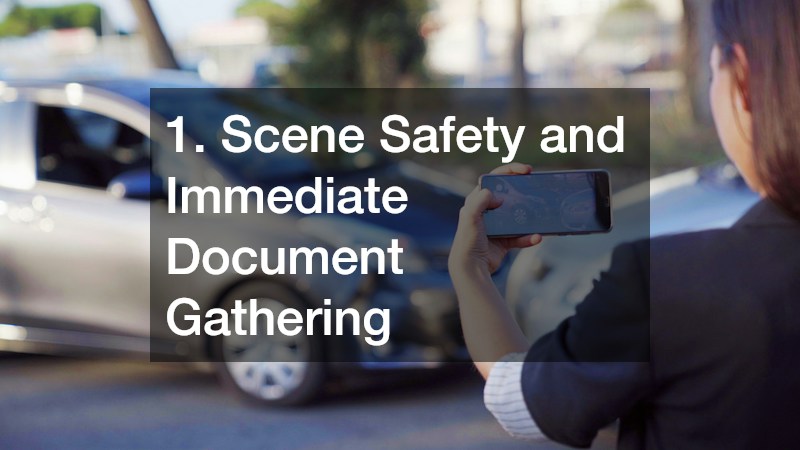
The actions you take in the first thirty minutes following a major collision lay the foundation for your entire repair and insurance claim. Prioritizing safety is paramount, but once immediate danger has passed, gathering accurate, high-quality evidence is critical to preventing disputes with insurance providers down the line.
Secure the Crash Site and Notify Authorities
- Move your vehicle out of active traffic lanes if it is safe and operational to do so, turning on hazard flashers to alert oncoming drivers.
- If the vehicle is immobile, stay inside with your seatbelt fastened until emergency responders arrive, provided it is safe from fire or secondary hazards.
- Call emergency services immediately so that law enforcement can evaluate the scene and draft an official police report.
- Obtain the investigating officer’s name, badge number, and police report reference number before leaving the scene.
Capture Comprehensive Visual Evidence
- Take clear, wide-angle photographs showing the relative positions of all vehicles involved, road markings, traffic signs, and prevailing weather conditions.
- Snap close-up photos of all vehicle damage, including broken trim, fluid leaks, structural bending, and tire impact marks.
- Exchange contact details, insurance policy numbers, driver’s license numbers, and license plate info with every driver involved.
- Collect contact information from neutral eyewitnesses before they leave the area, as their testimony can resolve conflicting accounts later.
2. Navigating Insurance Claims and Coverage Details
Filing a claim promptly sets your vehicle recovery process in motion. Understanding how policy structures work, what your specific policy covers, and what rights you hold as a consumer prevents unexpected surprises when repair bills arrive.
File Your Initial Claim Promptly
Once you are in a safe environment, contact your claims representative to initiate the formal process. Provide the facts clearly and concisely based on your gathered evidence and the official police record. During this initial conversation, confirm key details regarding your coverage limits, deductible amounts, and whether your policy includes rental vehicle reimbursement while your primary transportation is out of commission. Prompt filing prevents administrative delays and allows the insurance company to assign an adjuster to evaluate your vehicle’s physical damage without delay.
Choose Between Preferred and Independent Facilities
Insurance companies frequently recommend facilities within their direct-repair programs, promoting them for streamlined paperwork and expedited approvals. While these preferred facilities offer convenience, you are never legally obligated to use the shop recommended by your auto insurance representative. You reserve the absolute right to select whichever facility you trust most to perform the work. Evaluating independent facilities alongside network options ensures you find a balance between speed, quality workmanship, and customer service.
3. Selecting Certified Facilities for Collision & Structural Repairs
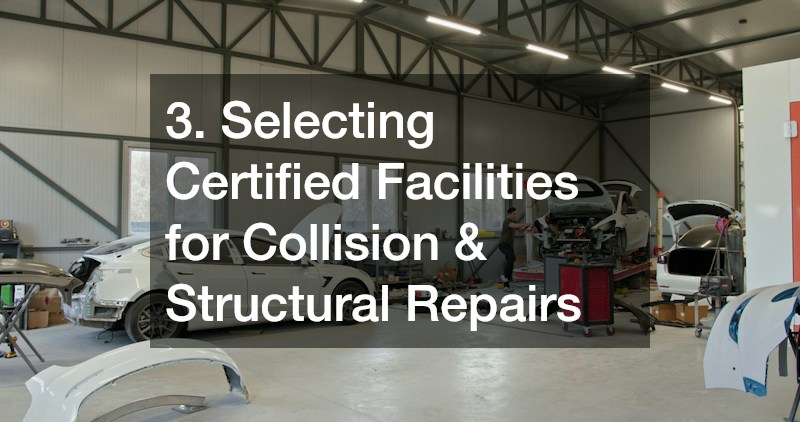
Modern automobiles are complex machines built with high-strength steels, aluminum alloys, and integrated safety cages. Selecting a shop equipped with the right technical certifications and equipment is vital to restoring your vehicle’s structural integrity.
Evaluate Facility Credentials and Warranties
- Verify whether the facility holds industry-recognized certifications, such as I-CAR Gold Class or ASE certification, which demonstrate ongoing technical training.
- Inquire about the shop’s warranty policies regarding frame straightening, body alignment, and paint finishes.
- Ask if the facility utilizes modern, computerized frame-measuring systems capable of restoring factory tolerances down to the millimeter.
- Partnering with seasoned professionals who offer dedicated auto body repair services guarantees that hidden structural damage is accurately diagnosed and corrected.
Understand OEM vs. Aftermarket Component Selection
During collision reconstruction, shops utilize different grades of replacement parts: Original Equipment Manufacturer (OEM) parts, aftermarket parts, and reconditioned components. OEM parts are manufactured directly by or for your vehicle’s maker, ensuring identical fit, finish, and crash-testing performance. Review your written estimate carefully to determine which types of components are proposed. If your insurer mandates aftermarket components, discuss options for paying the difference to secure genuine OEM parts for vital structural areas.
4. Addressing Specialized Brand Requirements & Luxury Features
Luxury and high-performance vehicles incorporate specialized materials, complex electrical architectures, and precise engineering that general repair shops may not be equipped to handle. Ensuring your vehicle receives specialized attention prevents long-term reliability issues and preserves its resale value.
Match Luxury Engineering with Brand-Specific Standards
High-end automobiles often feature complex aluminum space frames, multi-stage paint coats, and sensitive acoustic insulation that demand precise, brand-specific repair protocols. Taking a sophisticated vehicle to a generalist facility can lead to improper fastener usage, paint mismatches, or electrical malfunctions. Ensuring that technicians experienced in Lexus repairs handle your luxury automobile guarantees access to factory diagnostic tools, specialized aluminum welding stations, and specialized assembly techniques designed specifically for high-end automotive engineering.
Recalibrate Advanced Driver Assistance Systems (ADAS)
- Confirm that all forward-facing cameras, blind-spot radar modules, and parking sensors impacted by the collision are recalibrated using factory targets.
- Ensure the facility performs both static and dynamic calibration procedures as specified by the vehicle manufacturer.
- Request pre-repair and post-repair diagnostic health scans to confirm no hidden fault codes linger in electronic control units.
- Verify that bumper covers and windshield glass placed near sensors meet strict factory density tolerances so safety systems function properly.
5. Handling Glass, Windshield, and Sensor Damage
Glass components do far more than shield occupants from wind and weather; they serve as structural safety elements that contribute to roof crush resistance and proper airbag deployment during a rollover or secondary impact.
Address Structural Glass Integrity
A shattered or cracked windshield drastically compromises the structural strength of your cabin. Modern windshields are engineered to support the roof during a rollover accident and provide a backstop for the passenger-side airbag when it deploys. Allowing damaged glass to sit or attempting to drive with compromised windows places occupants at severe risk. Connecting with certified auto glass shops immediately after an accident ensures that safety glass is inspected, secured, and evaluated by specialized glass technicians.
Ensure Proper Glass Replacement and ADAS Calibration
When damage exceeds the threshold for simple resin injection, complete windshield replacement becomes necessary. Using sub-standard glass or incorrect adhesive bonding can lead to water leaks, wind noise, and catastrophic glass detachment during a future impact. Executing a complete auto glass replacement with optical-grade, high-quality glass ensures that camera lenses mounted behind the rearview mirror view the road clearly, maintaining the reliability of lane-keeping assist and automatic emergency braking systems.
6. Coordinating Mechanical Repairs and Diagnostic Scans
Visual damage to body panels and glass is often only a fraction of the total harm caused by a high-impact crash. Mechanical assemblies, suspension components, cooling lines, and engine mounts frequently absorb massive forces that remain hidden beneath bent sheet metal.
Uncover Hidden Mechanical and Drivetrain Damage
- Inspect suspension arms, shock absorbers, tie rods, and wheel hubs for subtle bends that cause alignment drift and unsafe handling.
- Check radiators, intercoolers, and air conditioning condensers for microscopic cracks that cause delayed fluid loss and engine overheating.
- Evaluate drive shafts, CV joints, and engine mounts for stress fractures caused by sudden kinetic displacement during impact.
- Relying on a qualified auto repair mechanic ensures that hidden mechanical harm is uncovered through meticulous physical inspections and road testing.
Routine Servicing After Structural Restoration
Major repairs disrupt fluid systems, electrical connections, and mechanical alignments across the entire chassis. Combining collision restoration with routine maintenance ensures your vehicle operates smoothly when returned to you. Utilizing comprehensive auto services allows technicians to flush contaminated fluids, replace damaged filters, test battery and alternator output, and reset sensor systems in a single cohesive repair session, eliminating post-repair breakdowns.
7. Finding Trusted Local Technicians and Repair Facilities
Entrusting your vehicle to a repair facility requires confidence in their craftsmanship, transparency, and business ethics. Thoroughly researching facilities in your immediate area helps build a strong line of communication throughout the reconstruction process.
Vetting Community Repair Operations
Selecting a nearby, community-focused repair facility makes it easy to drop in, inspect progress, and speak directly with the team working on your vehicle. Local businesses depend heavily on regional reputation and word-of-mouth recommendations, which often translates to superior customer service and greater accountability. Choosing established providers for local auto repairs ensures that you have a convenient, accessible point of contact if adjustments or warranty follow-ups are needed long after the initial claim is closed.
Comparing Estimates Across Multiple Independent Shops
- Request written, fully itemized estimates breaking down labor costs, paint supplies, bodywork hours, and parts pricing.
- Compare shop labor rates against local industry averages to ensure fair valuation from your insurance company’s adjuster.
- Check online reviews, state business registries, and customer testimonials regarding shop cleanliness, timeline adherence, and communication quality.
- Gathering competitive quotes from reputable auto repair shops gives you powerful leverage when negotiating with insurance adjusters who attempt to undervalue complex repairs.
8. Protecting Legal Rights and Managing Disputed Claims
Not all insurance claims proceed smoothly. Delays, disputed liability, lowball repair estimates, or unexpected medical expenses can turn a straightforward repair process into a frustrating legal struggle.
Manage Complex Insurance Disputes
When an insurance provider refuses to cover necessary OEM replacement parts, disputes the labor hours required to properly calibrate safety systems, or unfairly deems your vehicle a total loss based on flawed market valuations, you must document every interaction meticulously. Keep written logs of every call, email, and paper estimate. If negotiations stall and the insurance company fails to meet its policy obligations in good faith, formal escalation becomes necessary to protect your financial interests.
Retain Specialized Legal Representation
- Seek legal counsel if the collision resulted in severe personal injuries, high medical bills, or lost wages alongside property damage.
- Protect yourself against coercive tactics or low settlements offered by third-party insurance adjusters aiming to minimize payouts.
- Ensure proper valuation of diminished value claims, which compensate you for the reduced market value of your repaired vehicle.
- Consulting a skilled local auto accident attorney gives you dedicated legal advocacy to handle complex negotiations, establish liability, and secure full financial recovery.
9. Final Inspection, Quality Control, and Resale Protection
The repair journey is not complete simply because the body shop calls to inform you that the vehicle is ready for pickup. Performing a rigorous quality control check before signing final release forms and accepting your keys is essential.
Perform a Thorough Final Walkthrough
Before taking ownership of your repaired vehicle, conduct a systematic inspection alongside the shop manager or lead service advisor. Taking time to verify every repair detail prevents inconvenient returns for unaddressed defects.
- Inspect paintwork under direct sunlight and shade, checking for color matching, overspray, orange peel texture, or clear-coat runs.
- Check body panel alignment, verifying that gaps between doors, fenders, trunk lids, and hoods are uniform and even.
- Test all interior electronics, including power windows, door locks, climate control buttons, infotainment screens, and dashboard displays.
- Turn on headlights, fog lights, turn signals, and brake lights to verify proper electrical reconnects.
- Open and close every door, the hood, and the trunk to confirm smooth latching without excessive force or binding.
- Take the vehicle on a thorough test drive, listening for unusual wind noise, mechanical rattles, suspension clunks, or steering pull.
Document Repairs to Preserve Resale Value
Even after a vehicle is perfectly restored, its accident history will appear on vehicle history reports. Having a complete, professional file documenting high-standard repairs helps mitigate loss of market value when it comes time to sell or trade in the car. Organize all work orders, parts invoices, alignment printouts, and diagnostic scan reports into a dedicated folder. Demonstrating to future buyers that the vehicle was restored using certified technicians and quality components proves that safety and performance were never compromised.