
If you have noticed that repair estimates for even minor vehicle issues seem to climb every year, you are not imagining things. Modern vehicles are packed with sensors, cameras, and structural technology designed to keep you safer on the road, but that same technology makes repairs more complex and often more expensive. Understanding why these standards exist, and how they affect your wallet, can help you make smarter decisions the next time your car needs attention.
This guide breaks down what has changed, what it means for common repairs, and how to find help you can trust.
The Shift Toward Advanced Safety Technology
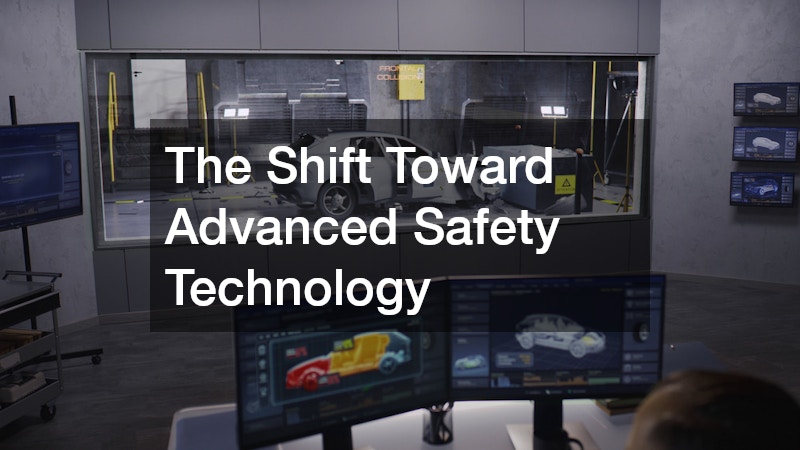
Vehicles built in the last decade look similar to older models on the outside, but underneath the surface they are fundamentally different machines. Automakers have added collision avoidance sensors, adaptive cruise control, lane departure warnings, and reinforced crumple zones built from high-strength steel and aluminum alloys that absorb impact more effectively than older steel frames. Systems like Honda Sensing and Toyota Safety Sense are now standard across entire model lineups, not just luxury trims.
These features save lives, which is why regulators like NHTSA and IIHS continue to push for their widespread adoption across all vehicle classes, with automatic emergency braking now standard on nearly all new vehicles sold in the U.S. The tradeoff is that repairing a bumper or windshield now often means recalibrating a camera or sensor system, not just replacing a physical part. That recalibration alone can add $200 to $600 to a repair bill, and in some cases requires specialized equipment or a trip to a dealership rather than an independent shop.
This shift did not happen overnight, but it accelerated quickly once safety ratings became a major selling point for new cars. Organizations like the IIHS and NHTSA began publicizing crash-test results and awarding “Top Safety Pick” designations, and automakers quickly realized that strong ratings translated directly into sales. That competitive pressure pushed features like automatic emergency braking, lane-keep assist, and adaptive cruise control from optional add-ons into standard equipment within a single decade.
Consumers began expecting features that were once reserved for luxury vehicles, and manufacturers responded by making them standard across nearly every trim level. A base-model sedan today often includes forward-collision warning systems, blind-spot monitoring, and camera-assisted parking sensors that would have been unheard of in a comparable car from the early 2000s. This rapid democratization of safety tech meant suppliers had to scale up production of sensors, radar units, and cameras faster than repair networks could adapt to servicing them.
As a result, the average repair bill reflects technology costs that simply did not exist twenty years ago. A cracked windshield now frequently requires camera recalibration rather than a simple pane replacement, and a minor bumper collision can trigger sensor diagnostics costing hundreds of dollars before any bodywork even begins. These added technology layers, while proven to reduce accidents and injuries, have quietly redefined what “routine” repair work actually costs.
When Accidents Happen: Understanding Collision Repair Costs
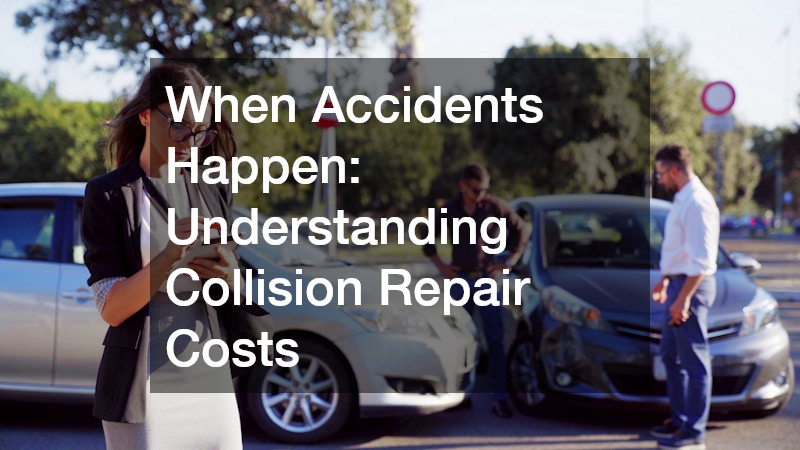
After a collision, even a seemingly small fender bender can trigger a much larger repair process than it would have in the past. Modern bumpers often house parking sensors, radar units, and wiring harnesses that must be tested and recalibrated after any impact. This is why car collision shops now invest heavily in diagnostic equipment and specialized training to handle repairs correctly and safely.
Choosing the right facility matters more than ever because improper repairs can compromise the very safety systems designed to protect you. A reputable auto body shop will document the repair process, use manufacturer-approved parts when required, and verify that all safety features function properly before returning your vehicle. Skipping these steps to save money can leave you with a car that looks fine but performs poorly in a future accident.
- Ask whether the shop performs post-repair calibration for cameras and sensors
- Request documentation showing which parts were replaced and why
- Confirm the facility has experience with your specific vehicle make
- Check that safety systems are tested before the vehicle is returned to you
Finding Trustworthy Repair Support Close to Home
With repairs becoming more technical, having a reliable place nearby for routine maintenance is more valuable than ever. Modern vehicles rely on interconnected sensors, cameras, and control modules to power features like automatic braking and lane-keeping assistance, and even a minor misalignment can throw these systems off. A trusted local auto repair shop can catch small issues before they become expensive safety problems, whether that’s a sensor calibration drifting out of spec or a worn component that hasn’t yet triggered a warning light.
Building a relationship with technicians who know your vehicle history pays off over time. They can track patterns across service visits, flag recurring issues before they escalate, and recommend the right intervals for brake inspections, fluid changes, and software updates specific to your make and model. This kind of continuity is harder to replicate at a big-box chain where you rarely see the same technician twice.
Regular checkups also help ensure that safety features continue functioning as intended between major repairs. A simple visual inspection every 5,000 to 7,500 miles can reveal cracked wiring harnesses, corroded connectors, or camera lenses obscured by grime, all of which can compromise advanced driver-assistance systems. When shopping for a shop, look for certifications like ASE credentials and access to manufacturer-specific diagnostic tools, since these often signal a shop is equipped to handle today’s increasingly complex vehicles.
When researching a shop, look beyond price alone. A rock-bottom estimate can be a red flag, especially for repairs involving advanced driver-assistance systems (ADAS), where recalibration equipment and training represent real costs that legitimate shops must recoup.
Instead, weigh a few concrete factors: online reviews that mention specific repair types similar to yours, industry certifications like I-CAR Gold Class or ASE, and whether the shop is OEM-certified for your vehicle’s make. These credentials signal ongoing investment in training and equipment needed for modern safety systems.
Just as telling is how a shop communicates. A trustworthy business will walk you through what sensors were affected, why recalibration is necessary, and how that ties to your car’s safety features—without pressuring you into unnecessary add-ons.
Finally, don’t hesitate to ask direct questions: Do they use OEM or aftermarket parts? Do they provide a written scan report before and after repairs? Shops confident in their work welcome this kind of scrutiny, while evasive answers are worth treating as a warning sign.
Wheel and Suspension Precision
Many people do not realize how closely alignment is tied to modern safety systems. If your wheels are even slightly out of position, features like lane keeping assist and stability control may not work as designed, since these systems rely on the vehicle traveling in a predictable, straight path. This is one reason car alignment services have become more precise, often using laser-guided equipment rather than the older visual methods.
Uneven tire wear, pulling to one side, or a steering wheel that sits off center are all signs alignment may be needed. Addressing these issues quickly not only extends tire life but also supports the accuracy of your vehicle’s safety technology.
Why Technician Expertise Matters More Than Ever
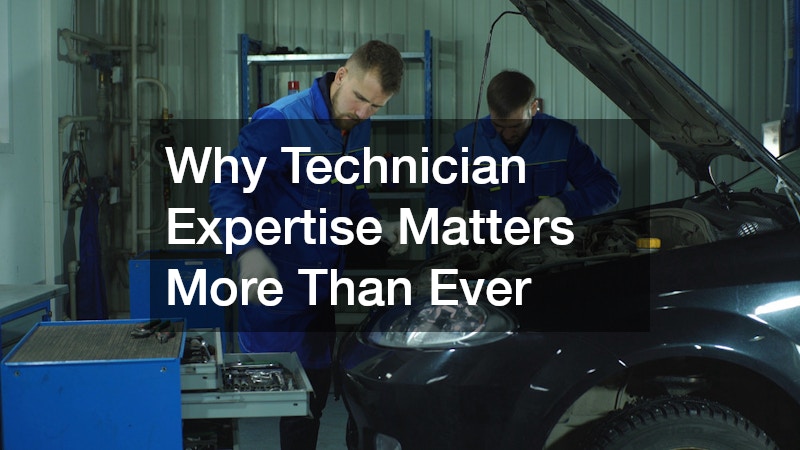
The complexity of modern vehicles means that not every repair professional has the training to work on today’s safety systems. Skilled auto mechanics now need ongoing education to keep up with software updates, sensor recalibration procedures, and manufacturer-specific requirements. This has changed the profession significantly, shifting it from purely mechanical work toward a blend of mechanical and technological expertise.
- Ask if technicians hold manufacturer-specific certifications
- Inquire about recent training on advanced driver assistance systems
- Confirm the shop has updated diagnostic software for your vehicle
- Look for shops that explain repairs rather than rushing through them
Braking Systems and Everyday Safety
Brakes remain one of the most critical safety components on any vehicle, and modern systems are more sophisticated than ever before. Many vehicles now include electronic brake force distribution and automatic emergency braking, which means brake repairs often involve more than replacing pads and rotors. Technicians must also verify that sensors communicating with these systems are functioning correctly.
Ignoring brake warning signs, such as squealing, grinding, or a soft pedal feel, can quickly turn a minor repair into a safety hazard. Scheduling inspections at recommended intervals helps catch wear before it becomes dangerous, and it often keeps repair costs lower in the long run.
Comfort Systems Are Part of the Safety Conversation
Climate control might not seem like a safety issue at first glance, but a properly functioning system plays a bigger role than most drivers realize. Poor visibility from fogged windows, or extreme cabin temperatures during long drives, can affect concentration and reaction time. Studies on driver fatigue have shown that cabin temperatures above 80°F can slow reaction times almost as much as mild alcohol impairment, which puts something as routine as a weak AC compressor into a different category entirely.
Defrosting is another overlooked factor. Modern defrost systems rely on the same refrigerant circuit as air conditioning to pull moisture out of cabin air, so a failing AC system often means slower windshield clearing during rain or cold snaps. That delay can translate into several critical seconds of reduced visibility right when a driver needs it most.
This is why auto AC repair is increasingly discussed alongside other safety-related maintenance rather than treated as a simple comfort upgrade. Technicians now check refrigerant levels, compressor health, and cabin air filters during routine safety inspections in some shops, not just during summer tune-ups. As vehicle safety standards continue to evolve, expect climate systems to get folded more formally into inspection checklists rather than left as an optional repair.
Regular servicing of the air conditioning system also prevents small issues, like refrigerant leaks or worn compressors, from turning into costly repairs. A simple annual inspection, often priced between $100 and $150, can catch a failing seal or a low refrigerant charge before it strains the compressor, which can cost upwards of $800 to replace.
Beyond expense, a properly functioning climate control system plays a direct role in driver alertness and visibility. Fogged-up windows from poor defrosting, or an inability to cool the cabin during a heat wave, can distract drivers or slow their reaction times.
Keeping this system in good condition supports both comfort and safe driving conditions year-round. It’s a smaller-ticket item compared to structural or sensor repairs, but one that still ties directly into the broader safety picture insurers and manufacturers are increasingly factoring into repair standards.

While cosmetic care is not directly tied to safety regulations, it does play a role in protecting a vehicle’s structural materials over time. Paint and sealants shield metal panels from corrosion, which can weaken structural integrity if left unaddressed for years. Many vehicle owners now rely on an auto detailing company not just for appearance, but to help preserve the long-term condition of their car.
Routine detailing can also reveal early signs of damage, such as small dents or paint chips, that might otherwise go unnoticed until they become bigger problems. Catching these issues early can prevent more expensive structural repairs down the road.
Security Beyond the Vehicle
Vehicle safety extends beyond crash protection and into how well a car protects your personal security. Modern key fobs, immobilizers, and electronic locking systems are more advanced than ever, which means getting locked out or dealing with a malfunctioning key is no longer a simple fix. This is where auto locksmiths play an important role, offering specialized tools and programming knowledge that general repair shops may not have on hand.
Understanding these systems ahead of time can save stress in an emergency. Knowing who to call when a key stops working, or when a lock malfunctions, is a practical part of vehicle ownership that many drivers overlook until it happens to them.
Home Safety Standards Are Rising Too
Interestingly, the same push for stricter safety standards affecting vehicles has extended into other parts of homeowners’ lives, including their garages. Many families now store or charge vehicles at home, which makes functioning, well-maintained entry points more important than ever. Investing in residential garage door repair and replacement ensures that the space where a vehicle is parked overnight remains secure and operates safely for everyone in the household.
A malfunctioning garage door can pose risks similar to any other home safety hazard, from pinch points to electrical issues in automatic openers. Treating this as part of overall vehicle and home safety planning, rather than an afterthought, helps prevent accidents before they happen.
Conclusion
Vehicle safety standards will likely continue evolving as technology advances, and repair costs will keep reflecting that progress. The best way to protect yourself is to stay informed, ask questions, and choose repair professionals who take these systems seriously rather than cutting corners. Whether you are dealing with a collision, routine maintenance, or an unexpected lockout, understanding what goes into modern repairs puts you in a stronger position to make confident decisions. Take time now to research trusted providers in your area so you are prepared before the next issue arises.