
Running a fleet of vehicles looks simple from the outside: keep them fueled, keep them moving, and profits follow. But many fleet owners and small business operators drastically underestimate what it actually costs to keep trucks and vans road-ready year after year. Hidden expenses pile up in places nobody budgets for, from engine wear to interior damage to accessory upgrades that seemed optional until they weren’t. Understanding where the money actually goes is the first step toward protecting your bottom line.
Engine Wear and Diesel Truck Costs
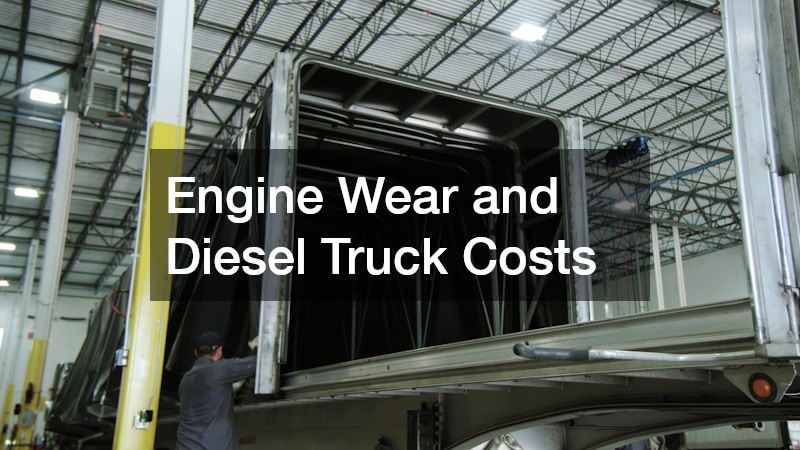
Diesel engines are workhorses, but they are also one of the most expensive parts of any fleet budget when they start to fail. Many owners assume routine oil changes are enough, then get blindsided by a major diesel truck engine repair bill that can run into the thousands. A turbocharger replacement alone can cost $1,500 to $3,000, while fuel injector failures often run $500 to $1,000 per injector, and a full injector set replacement can easily push past $4,000. Turbochargers, fuel injectors, and emissions systems all wear down faster under constant heavy use, especially in stop-and-go delivery routes or long-haul towing conditions. Trucks that spend most of their time towing heavy trailers put extra strain on the engine block, transmission, and cooling system, which accelerates wear well beyond what standard maintenance schedules anticipate. Emissions components add another layer of risk. DPF (diesel particulate filter) clogs and DEF (diesel exhaust fluid) system faults are increasingly common as trucks age, and repairs or replacements for these parts can cost anywhere from $1,000 to $5,000 depending on severity. Fleet owners who skip diagnostic checks between scheduled services often miss early warning signs, turning a minor sensor issue into a full system failure that sidelines a truck for days.
The smartest fleet owners track engine hours and mileage together, not just mileage alone, since idling time adds real wear that odometers do not capture. A long-haul truck idling three hours a day during loading, weather delays, or driver rest periods can rack up the mechanical wear of an extra 30-60 miles daily without a single mile showing on the odometer. Over a year, that discrepancy can throw off oil change schedules, valve inspections, and turbocharger maintenance by hundreds of hours, letting small issues turn into $3,000-$8,000 engine repairs before anyone notices a pattern. Diesel engines are especially sensitive to this gap because they rely on sustained combustion temperatures to burn fuel cleanly; excessive idling causes incomplete combustion, which leads to fuel dilution in the oil, carbon buildup, and premature injector failure. Fleet owners who install hour-meters or use telematics systems that log both engine hours and mileage can catch these patterns early and adjust service intervals accordingly, rather than relying on a generic 10,000-mile oil change rule that doesn’t account for a truck that spends half its life sitting at loading docks. Setting aside a dedicated repair reserve fund for each vehicle, rather than treating repairs as a surprise expense, keeps a single breakdown from derailing monthly cash flow. A common benchmark is setting aside $0.15-$0.25 per mile driven specifically for major repairs, separate from routine maintenance budgets, since a single diesel engine rebuild can run $15,000-$20,000 and a transmission replacement can add another $5,000-$8,000. Fleets that track this reserve per-vehicle, rather than pooling it across the whole fleet, also get a clearer signal of which trucks are becoming money pits and should be considered for replacement rather than continued repair.
- Watch for early warning signs like reduced power, unusual smoke color (black, blue, or white), or rough idling, all of which often signal cheaper fixes when caught early
- Schedule fuel system and injector inspections at manufacturer-recommended intervals, typically every 15,000-25,000 miles depending on duty cycle
- Keep detailed logs of engine hours for vehicles used in towing or hauling, since heavy loads accelerate wear far faster than mileage alone suggests
- Track DPF regeneration frequency and turbocharger performance, as both degrade faster under sustained towing conditions
- Budget separately for emissions system components like DPF filters, EGR valves, and SCR systems, which are costly to replace and often run into thousands of dollars per repair
General Wear and Tear Across the Fleet
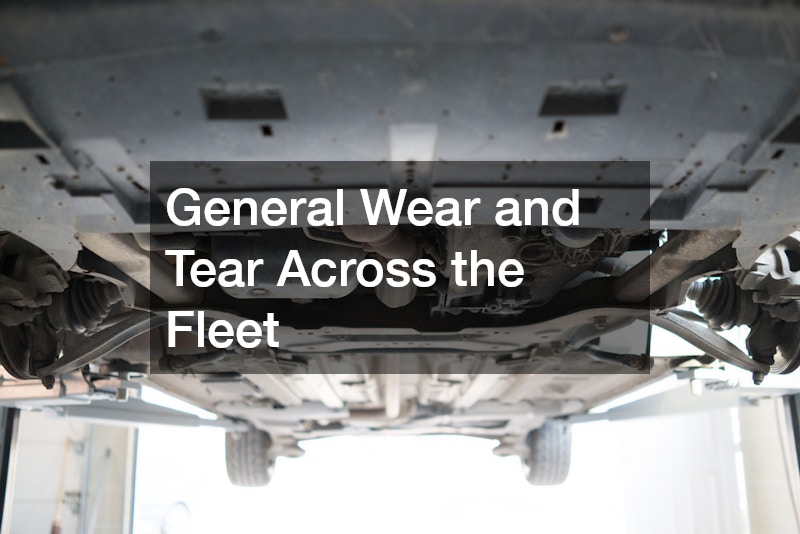
Beyond the engine, everyday auto repair needs quietly drain fleet budgets more than most owners realize. Brake pads, suspension components, alternators, and belts all wear on different schedules depending on route type, driver habits, and climate. A fleet running mostly highway miles wears differently than one doing constant city stops, and treating every vehicle with the same maintenance schedule leads to both wasted money and missed problems.
Many fleet managers only budget for the obvious costs like tires and oil, forgetting smaller repairs that add up fast across a dozen or more vehicles. Building a per-vehicle maintenance history helps identify patterns, like a particular model that consistently needs alternator work earlier than expected.
- Track repair frequency by vehicle make and model to spot patterns
- Rotate vehicles through routes to balance wear more evenly
- Set a monthly per-vehicle repair budget based on age and mileage
- Review repair invoices quarterly to catch recurring issues early
Windshield and Window Damage from Daily Routes

Fleet vehicles spend more time on the road than almost any personal car, which means far more exposure to flying gravel, debris, and temperature swings that crack glass. Auto glass repair is one of those costs owners assume is rare, but for a fleet driving thousands of miles weekly, chipped windshields become a near-constant line item. Left unaddressed, small chips spread into cracks that compromise structural integrity and can fail vehicle safety inspections.
Some fleet owners also invest in auto glass tinting for driver comfort and to reduce glare on long routes, which can lower driver fatigue and improve safety over long shifts. While tinting adds an upfront cost, it can extend interior life by reducing sun damage to dashboards and seating, indirectly saving money elsewhere in the maintenance budget.
- Inspect windshields weekly for new chips or cracks
- Repair small chips immediately before they spread
- Consider tinting for driver comfort on long-haul routes
- Check local regulations on allowable tint levels for commercial vehicles
Roadside Breakdowns and Emergency Recovery Costs
Every fleet owner eventually deals with a vehicle that breaks down at the worst possible time, and emergency recovery costs are almost always underestimated in annual budgets. A single breakdown on a highway shoulder can cost several hundred dollars once distance, vehicle weight, and after-hours service fees are factored in. Heavy-duty trucks and trailers push those numbers even higher, since towing companies often charge by the mile plus a flat hookup fee that can exceed $200 before the vehicle even moves. Fleets that operate in remote areas or across multiple states face even steeper recovery costs due to limited service availability. When only one or two towing providers cover a rural stretch of highway, they can charge premium rates simply because there’s no competition to keep prices in check. Cross-border or interstate breakdowns add further complications, since recovery vendors may need to coordinate with a second company once the vehicle crosses a service boundary, effectively doubling the bill. Beyond the tow itself, fleet owners often overlook secondary costs that stack up quickly. These include driver downtime and wages paid while waiting for recovery, hotel and meal expenses if the driver is stranded overnight, cargo transfer or storage fees, and the cost of dispatching a replacement vehicle to keep deliveries on schedule. Taken together, a single roadside incident can easily run into four figures once every line item is accounted for — a far cry from the few-hundred-dollar tow fee most budgets plan for.
A single roadside breakdown can easily run $500 to $2,500 once towing, diagnostic fees, and after-hours labor rates are factored in, and that’s before accounting for the revenue lost while the vehicle sits idle. Fleet owners who wait until a truck is stranded on the shoulder to start calling around almost always pay more, since emergency dispatchers know they’re negotiating from a position of urgency rather than leverage. Building a relationship with a reliable emergency service provider before a breakdown happens saves both time and money, since last-minute calls during peak hours often come with premium pricing. Providers frequently charge double or triple their standard rate for nights, weekends, or holidays, and response times can stretch past two hours in rural areas without a pre-arranged agreement in place. Some fleet owners negotiate flat-rate service contracts with local recovery companies, which stabilizes this unpredictable cost and makes budgeting far more accurate. These contracts typically lock in towing distances, hourly labor caps, and priority response windows, so a 3 a.m. call doesn’t trigger surprise surcharges. It’s also worth mapping coverage across your operating routes rather than relying on a single provider near headquarters. A tow contract that only covers a 20-mile radius does little good for trucks running interstate lanes, so many fleets maintain relationships with two or three regional partners to close those gaps.
- Compare flat-rate recovery contracts against pay-per-call pricing — flat rates often win for fleets averaging more than 2-3 breakdowns a month
- Know your fleet’s typical operating radius to estimate recovery response times, since rural routes can mean 2+ hour waits versus 30 minutes in metro areas
- Keep roadside assistance numbers accessible to every driver, ideally saved in-cab and posted on a visible dash card as backup
- Factor after-hours and weekend surcharges into your annual budget, as these calls can run 25-50% higher than standard daytime rates
- Track towing distance fees separately, since many providers charge a base rate plus per-mile costs beyond a set radius
- Review contracts annually, as recovery providers frequently adjust surcharge structures and coverage areas without proactive notice
Upfitting Trucks with Functional Accessories
Many fleets rely on specialized truck accessories to get the job done, from ladder racks to toolboxes to trailer hitches, and these additions carry ongoing maintenance costs that are easy to overlook. Hardware loosens, mounts corrode, and electrical connections for lighting accessories fail faster under constant vibration and weather exposure than most owners expect. Treating accessories as a one-time purchase instead of an ongoing maintenance item is one of the most common budgeting mistakes fleet owners make.
Regular inspection of accessory mounting points prevents small issues from becoming safety hazards or causing damage to the vehicle body itself. Fleet owners who document accessory installation dates and inspection schedules tend to catch failures before they cause costly downtime.
- Inspect mounting hardware for rust or looseness every few months
- Test accessory lighting and electrical connections regularly
- Replace worn straps or brackets before they fail under load
- Keep a maintenance log separate from general vehicle repair records
Protecting Truck Beds with Covers and Liners
Truck beds take a beating from cargo, weather, and constant loading and unloading, which is why many fleet owners invest in truck bed covers to extend the life of the vehicle. Without protection, exposed beds develop rust, dents, and warping far faster, especially for fleets hauling equipment or materials in wet climates. The upfront cost of a quality cover is almost always lower than the long-term cost of bed repair or early vehicle replacement.
Covers also protect cargo from theft and weather damage, which matters for fleets carrying tools or materials between job sites. Choosing a durable, low-maintenance cover material reduces the need for frequent replacement and keeps this cost predictable rather than recurring.
- Choose bed covers rated for your typical cargo weight and type
- Inspect seals and latches seasonally for wear
- Clean tracks and hinges to prevent rust buildup
- Weigh the cost of a cover against long-term bed repair expenses
Marine and Specialty Fleet Considerations
Fleets that include boats, trailers, or marine service vehicles face a different set of maintenance surprises that traditional truck-focused budgets often miss entirely. Marine lumber used in docks, boat trailers, or loading structures requires regular treatment against rot and water damage, and replacement costs can be significant if it is neglected for too long. Fleet owners who serve marine industries need a separate maintenance line item specifically for this category of equipment.
Interior comfort also matters for marine-adjacent fleet vehicles, and marine upholstery designed to resist moisture and mildew lasts considerably longer than standard fabric options. Skipping specialized materials to save money upfront often backfires, since standard upholstery deteriorates quickly in humid or wet working conditions.
- Treat marine lumber structures annually to prevent rot
- Choose moisture-resistant upholstery for marine-adjacent vehicles
- Budget separately for marine equipment maintenance
- Inspect trailers and docks each season for water damage
Interior Systems and Driver Comfort Upgrades

Driver retention is a real cost factor that many fleet owners forget to connect to maintenance budgeting, and interior comfort plays a bigger role than most expect. A reliable car sound system keeps drivers alert and satisfied on long routes, and replacing failing factory systems is a common but often unbudgeted expense. Poor cab conditions contribute to driver turnover, which carries its own hidden costs in hiring and training replacements.
Fleet owners who invest modestly in driver comfort upgrades often see fewer complaints and better vehicle care overall, since drivers tend to treat well-maintained vehicles with more respect. Setting a small annual allowance for interior upgrades can pay for itself through improved retention and reduced wear from careless use.
- Budget for occasional interior electronics replacement
- Address driver comfort complaints before they affect retention
- Track which vehicles have had interior upgrades and when
- Consider comfort investments as part of overall vehicle longevity strategy
Fleet maintenance costs rarely show up as one dramatic expense; they accumulate quietly across dozens of small categories that are easy to underestimate until the annual budget comes up short. Reviewing every part of your fleet, from engines to glass to accessories to interior comfort, gives a far more accurate picture of true operating costs. Start by auditing your last twelve months of repair invoices to see where your own fleet’s hidden costs are hiding, then build a more realistic budget for the year ahead.