
A car is one of the biggest investments most people make, yet routine maintenance is often the first thing to slip when life gets busy. Skipping small services might not seem like a big deal in the moment, but those delays quietly compound into bigger repair bills, safety risks, and lost vehicle value. Understanding exactly what happens when you postpone basic care can help you make smarter, more cost-effective decisions. This guide breaks down the real, often hidden, price of neglect so you can protect both your vehicle and your wallet.
Engine Wear From Delayed Fluid Service
Motor oil breaks down over time, losing its ability to lubricate and cool engine components properly. When drivers stretch the interval between an oil change far beyond what the manufacturer recommends, sludge builds up, friction increases, and internal parts wear out faster than they should. This kind of damage rarely shows up immediately, which is exactly why it catches people off guard months or years later.
The cost difference is stark when you compare a routine fluid service to the expense of rebuilding or replacing an engine. A neglected engine can also lose fuel efficiency gradually, meaning you pay more at the pump long before any dramatic failure happens. Staying on schedule is one of the simplest ways to avoid a five-figure repair down the road.
- Sludge buildup restricts oil flow to critical engine parts
- Reduced lubrication accelerates wear on pistons and bearings
- Fuel economy typically drops as oil quality degrades
- Overheating risk increases when oil can no longer cool components effectively
Small Mechanical Issues That Turn Into Major Repairs
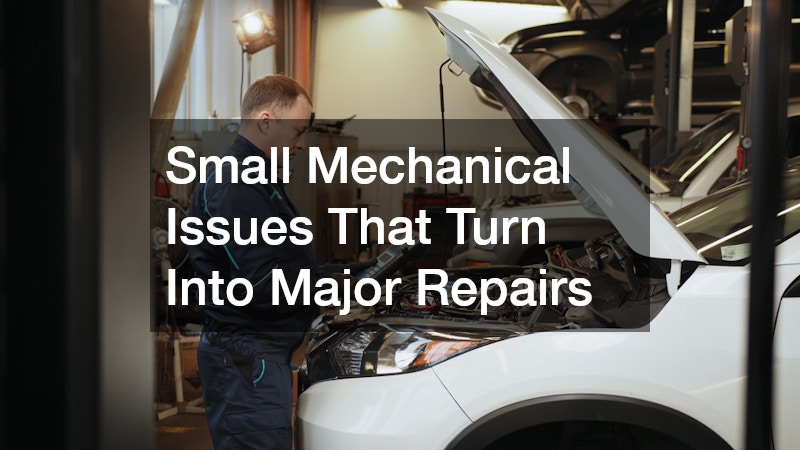
Minor squeaks, vibrations, or warning lights are often dismissed because the car still seems to run fine. But these small symptoms are frequently early warnings of a part that is wearing out and will fail completely if ignored. A brake pad that needed replacing for a modest fee can turn into a warped rotor and a much larger bill if left unaddressed.
Many people avoid scheduling auto repair work because they assume it will be expensive or time consuming, but delaying diagnosis almost always costs more in the end. A trained technician can often catch a developing problem during a routine inspection before it escalates. Treating strange noises or dashboard alerts as urgent, rather than optional, protects both your safety and your budget.
- Ignoring brake noise can lead to rotor or caliper damage
- A small coolant leak can eventually cause engine overheating
- Worn belts or hoses can snap and damage surrounding components
- Suspension issues left unchecked affect tire wear and handling
Collision Damage Left Untreated
Even a minor fender bender can create problems that go beyond cosmetic appearance. Small dents and scratches can expose bare metal to moisture, leading to rust that spreads underneath the paint where it is not immediately visible. Addressing this kind of damage promptly at a qualified auto body shop prevents structural weakening and helps maintain the vehicle’s resale value.
Frame misalignment from a collision, even a low speed one, can also affect how a car handles and how evenly its tires wear. Left uncorrected, this creates a cycle of premature part replacement and reduced safety in future accidents. Getting an assessment soon after any impact, no matter how minor it seems, is far cheaper than fixing years of accumulated secondary damage.
- Untreated dents can trap moisture and accelerate rust
- Frame misalignment leads to uneven tire wear
- Cosmetic damage can lower trade-in and resale value
- Small cracks in body panels can spread with temperature changes
Interior and Exterior Neglect That Accelerates Aging
Regular washing does more than keep a car looking presentable. Dirt, road salt, and bird droppings contain chemicals that can eat away at clear coat and paint over time, especially if left to sit for weeks in direct sunlight or humidity. Bird droppings in particular are acidic enough to etch paint within a few days, while road salt accelerates rust formation on exposed metal within a single winter season. The interior takes a hidden toll too. UV rays fade and crack dashboards and seats, spilled food and drinks stain upholstery permanently, and trapped moisture from wet shoes or umbrellas can lead to mold and musty odors that are difficult to remove later. A consistent car wash routine, including the undercarriage during winter months, helps prevent corrosion that is expensive to reverse once it sets in. Rinsing the undercarriage every two to four weeks during snowy conditions removes salt brine before it reaches brake lines, fuel lines, and frame components. Skipping this step for even one season can mean thousands of dollars in rust repair down the road, far outweighing the modest cost of routine cleaning.
Interior neglect carries its own costs, particularly when spills, pet dander, or smoke are left untreated. What starts as a mild smell can seep into upholstery, carpet padding, and ventilation systems, becoming much harder to eliminate the longer it lingers. Bacteria and mold thrive in damp fabric, so a spilled drink or wet gym bag left unattended for even a few days can create odor sources that resist basic cleaning. The exterior tells a similar story. Bird droppings, tree sap, and road salt are all acidic or corrosive to some degree, and left on paint for weeks they can eat through clear coat, leaving etching or discoloration that no amount of waxing will fully reverse. Regular washing and waxing—ideally every two to four weeks—forms a protective barrier that keeps these contaminants from bonding to the surface. Investing in professional car odor removal early on is usually far less costly than replacing carpeting or seat foam that has absorbed odor-causing bacteria, which can run into hundreds of dollars per seat depending on the material. Similarly, a $150 paint correction now is far cheaper than a full repaint later, which can cost thousands. Small, routine investments in both cabin and body upkeep protect resale value and keep the car feeling new for years longer.
- Road salt and grime trap moisture against metal, accelerating rust and corrosion if not washed off within a few weeks of winter driving
- UV exposure combined with dirt buildup breaks down clear coat and fades exterior finish faster, especially on darker colors
- Bird droppings and tree sap left too long can etch into paint, leaving permanent marks even after washing
- Lingering odors can signal mold or bacteria growth in upholstery, often from spilled liquids or damp floor mats
- Cracked or sun-bleached dashboards and seats are hard to reverse and often require costly replacement panels
- Clean interiors and well-maintained exteriors help preserve resale value, sometimes adding hundreds of dollars to a trade-in offer
- First impressions matter at sale time — buyers often assume a dirty car has been mechanically neglected too
Sun Damage and Cabin Heat Buildup
Constant sun exposure does more than fade upholstery, it can also crack dashboards and cause plastic trim to become brittle over time. On a hot day, interior temperatures can climb well above 150°F even when outside temperatures are only in the 80s, and that kind of heat accelerates UV damage to seats, door panels, and steering wheels. Left unchecked, this deterioration can significantly lower resale value and lead to costly interior replacements down the road. Excessive heat buildup inside a parked car also puts additional strain on air conditioning systems, forcing them to work harder every time the vehicle is used. Refrigerant levels can drop and seals can degrade faster under repeated heat cycling, making the compressor work overtime just to bring cabin temperatures back to a comfortable level. This added stress shortens the lifespan of components that are costly to replace, with AC compressor repairs often running several hundred dollars or more. Simple precautions, like using a windshield sunshade, parking in shade, or applying UV-protectant to dashboards and seats, can meaningfully slow this wear. Routine maintenance checks that include inspecting AC performance and coolant levels can also catch small issues before they turn into expensive repairs.
Sun exposure does more than fade a paint job. Constant UV rays and cabin heat buildup slowly crack dashboards, dry out leather seats, and cloud plastic trim, turning a well-kept interior into a tired-looking one years before its time. Left unchecked, cabin temperatures can climb past 150°F on a hot day, which accelerates wear on adhesives, wiring, and electronic sensors tucked behind the dash. Professional window tinting is one of the most overlooked ways to reduce this kind of long-term damage. Beyond improving comfort, quality tint blocks a significant portion of ultraviolet rays — often 95% or more with ceramic or premium films — that would otherwise degrade interior materials and electronics mounted near the dashboard. It also reduces the workload on your air conditioning system, since a cooler cabin means the compressor doesn’t have to run as hard or as long to reach a comfortable temperature. Not all tint is created equal, either. Dyed films are the most affordable option but offer less heat rejection and tend to fade over time, while ceramic films cost more upfront but last longer and block more infrared heat without darkening the glass excessively. Choosing a legal tint level for your state also avoids potential fines while still protecting the cabin. Tint darkness limits vary widely, so it’s worth checking local regulations before installation rather than after a citation. A reputable installer can typically recommend a film that meets legal requirements while still delivering meaningful UV and heat protection.
- UV rays cause dashboard cracking and upholstery fading over time, with interior surfaces reaching 190°F+ on hot days
- Reduced cabin heat lessens strain on the air conditioning compressor, helping it run more efficiently and last longer
- Tinted windows can help protect electronics from heat related wear, including infotainment screens and sensor modules
- Proper tint percentage keeps drivers compliant with local regulations, which vary widely by state and window position
- Ceramic or UV-blocking window film can reduce interior heat gain by up to 60% compared to untinted glass
- Sunshades and windshield covers offer a low-cost supplement to tinting for parked vehicles
- Leather and vinyl seats are especially prone to cracking without regular conditioning and UV protection
Emergency Roadside Situations From Deferred Maintenance
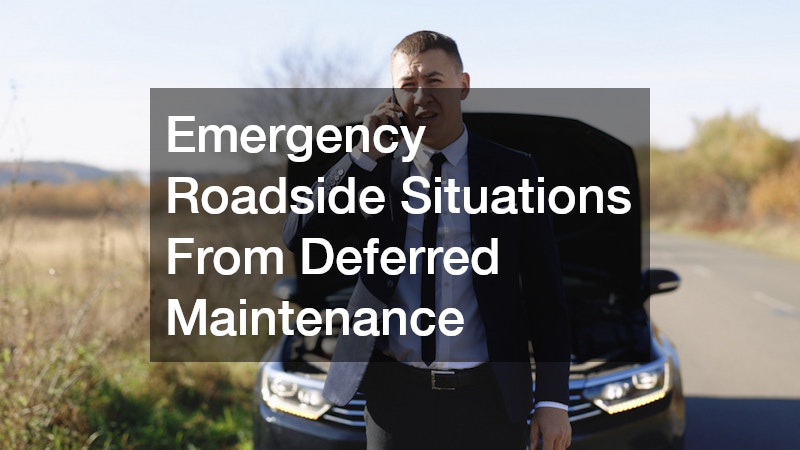
A car that has been neglected mechanically is far more likely to break down unexpectedly, often at the worst possible time or location. Worn tires, weak batteries, and failing alternators are common culprits behind roadside emergencies that could have been caught during routine checkups. When a breakdown does happen, having a reliable plan for towing services in place saves stress and reduces the risk of further damage to the vehicle.
Attempting to drive a car short distances after it shows signs of serious trouble, like grinding noises or smoke, often makes the underlying problem worse. Professional towing protects the vehicle from additional strain and gets it safely to a shop for proper evaluation. Knowing a trustworthy provider ahead of time, rather than searching frantically during a crisis, is part of responsible ownership.
- Worn batteries and alternators are leading causes of roadside breakdowns
- Driving after warning signs can cause secondary engine or transmission damage
- Having a towing plan reduces stress during unexpected emergencies
- Prompt response after a breakdown limits further mechanical harm
Reduced Functionality From Skipped Accessory Upgrades
For truck owners, skipping basic upkeep on bed liners, tonneau covers, and other add ons can lead to functional problems that affect daily use. Rust on mounting hardware or wear on a bed liner may seem minor, but it can compromise cargo security and overall usability if ignored long enough. Investing in quality truck accessories and maintaining them properly extends the life of the vehicle’s working components.
Many truck owners rely on their vehicles for work, hauling, or recreation, which means the condition of their truck accessories directly affects their livelihood or plans. Skipping inspection of tonneau covers or cargo racks before a big trip can result in unexpected failure on the road, creating both safety risks and costly delays. Routine checks of these add ons should be part of the same maintenance mindset applied to the rest of the vehicle.
- Rusted mounting hardware can fail unexpectedly under stress
- Worn bed liners expose truck beds to further rust and damage
- Poorly maintained racks or covers can loosen and cause road hazards
- Regular inspection of truck accessories prevents costly on road failures
Value Loss That Affects Future Buying and Selling Decisions
Consistent maintenance records are one of the first things savvy buyers look for, whether they are shopping for a used car or comparing options at a dealership. A vehicle with documented service history typically commands a higher resale price because it signals fewer hidden problems. This same principle applies broadly across the market, including specialty vehicles like recreational boats.
Anyone researching boat sales quickly learns that engine hours, hull condition, and maintenance logs weigh heavily on final pricing, much like mileage and service records do for cars. Neglected vehicles and watercraft alike tend to sit longer on the market and sell for less once buyers factor in the cost of catching up on deferred care. Keeping any vehicle well maintained protects its value whether you plan to sell next year or next decade.
- Documented service history increases buyer confidence and offers
- Neglected vehicles often require price reductions to offset needed repairs
- Maintenance records simplify negotiations for both buyer and seller
- Well kept vehicles typically spend less time listed for sale
Skipping routine car care rarely saves money in the long run, it simply delays and multiplies the cost of problems that were once small and manageable. From engine health to cosmetic upkeep, every overlooked task adds up to bigger bills, safety concerns, and lost value down the line. The best step you can take today is building a realistic maintenance schedule and sticking to it, even when life gets busy. A little consistency now will save you significant time, money, and stress later.