
If your car has ever been in a fender bender, you know the uncertainty that follows: is the damage just cosmetic, or is there hidden structural trouble waiting to cause problems down the road? Modern vehicles are built with complex layers of sensors, high-strength steel, and computerized safety systems, which means a simple visual check no longer tells the whole story. Understanding how today’s damage detection technology works can help you make smarter decisions about repairs, insurance claims, and long-term vehicle safety. This guide breaks down what’s changed, why it matters, and what to expect the next time your car needs an inspection.
How Scanning Technology Reveals Hidden Vehicle Damage
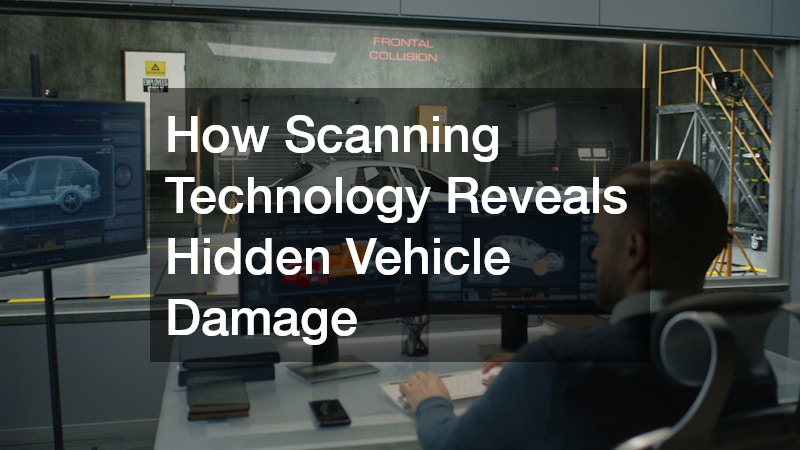
Gone are the days when a technician simply walked around a car with a flashlight to assess damage. Today’s diagnostic scanners connect directly to a vehicle’s onboard computer systems, pulling data from dozens of modules in minutes rather than relying on a visual guess. These tools check for fault codes tied to airbags, sensors, and safety modules, flagging problems long before they become apparent to the driver.
This means even a minor auto collision can trigger issues that aren’t visible to the naked eye, such as a misaligned sensor for lane-keeping assist, a cracked bracket behind the bumper, or a radar module knocked slightly out of calibration behind the grille. On newer vehicles, a bumper tap at low speed can be enough to throw off the calibration of forward-collision warning cameras, even when the exterior panel shows no visible dent.
Scanners also generate a detailed report of pre-existing versus new fault codes, which helps technicians and insurers pinpoint exactly what damage resulted from the current incident. This documentation matters for warranty claims, insurance disputes, and resale history, since it creates an objective record rather than relying on a technician’s judgment alone.
Catching these problems early prevents bigger safety risks later, particularly with advanced driver-assistance systems that depend on precise sensor alignment. A sensor off by even a few degrees can compromise automatic braking or blind-spot detection, turning a seemingly cosmetic repair into a genuine safety concern if left unaddressed.
These scanning tools also help technicians measure structural alignment down to the millimeter, comparing a damaged vehicle’s frame against factory specifications stored in manufacturer databases. Using 3D laser mapping or electronic measuring systems, technicians can pinpoint deviations as small as 1-2 millimeters in key mounting points, control arm attachments, and subframe rails. These measurements are cross-referenced against OEM tolerance charts, which typically flag anything beyond a few millimeters of variance as a repair-quality concern.
This precision is especially important because even small deviations can affect handling, tire wear, and crash protection in a future accident. A frame that’s off by just a fraction of an inch can cause uneven tire wear within a few thousand miles, alter suspension geometry, or compromise the crumple zones engineered to absorb impact energy. In vehicles with advanced driver-assistance systems, misalignment can also throw off camera and sensor calibration, affecting features like lane-keeping assist or automatic braking.
Consumers benefit because it removes much of the guesswork that used to make collision assessment feel like an educated guess rather than a science. Instead of relying on a technician’s visual inspection or experience alone, an auto body shop can produce documented, data-backed reports showing exact measurements before and after repair. This creates a verifiable paper trail that insurers, buyers, and future technicians can reference, adding a layer of accountability that simply didn’t exist a decade ago.
Understanding the Role of 3D Imaging in Estimating Repairs
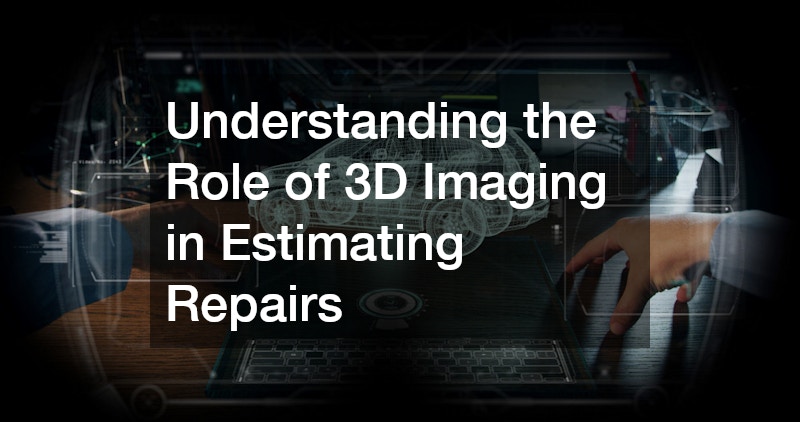
Many shops now use 3D imaging and laser measuring systems to build a digital model of a damaged vehicle. These tools scan the frame and body from multiple angles, comparing the results against manufacturer specifications to pinpoint deviations as small as a millimeter. That level of precision captures every dent, bend, and misalignment with far more accuracy than the human eye, which reduces the chances of missed damage that could resurface later as handling issues or premature wear.
The scanning process typically takes only 10 to 15 minutes, yet it generates a detailed map of the vehicle’s structural points, including areas hidden beneath panels or trim. Technicians can then overlay this data onto factory blueprints to see exactly where a frame has shifted out of tolerance, something that traditional tape-measure methods often miss entirely.
It also creates a documented record that can be shared with insurance adjusters, making the claims process more transparent for the vehicle owner. Because the report includes exact measurements and visual before-and-after comparisons, adjusters can verify the scope of damage without relying solely on a written estimate. This often speeds up approval times and reduces disputes over whether certain repairs were actually necessary.
For consumers, this matters because it can shorten the back-and-forth that often happens between estimators and insurance companies. A 3D scan captures precise measurements of panel gaps, frame alignment, and structural deviations, often down to the millimeter, so there’s a documented baseline rather than a visual guess. When damage is measured and visualized clearly, there is less room for dispute over what needs to be fixed or why a particular repair was recommended.
This kind of documentation also helps prevent a common frustration: supplemental claims. Traditional estimates sometimes miss hidden damage that only becomes apparent once repairs are underway, leading to delays while the shop resubmits paperwork for approval. Because 3D imaging reveals structural issues upfront, including damage hidden beneath bumpers or trim, more of the true repair cost gets captured in the initial estimate.
The result is a faster, more predictable timeline. Insurance adjusters can review a detailed digital report instead of scheduling a separate in-person inspection, which alone can save several days. For the vehicle owner, that translates into fewer delays, fewer surprise costs, and getting back on the road sooner with confidence that the repair addressed the full extent of the damage.
Choosing a Qualified Repair Facility for Structural Work
Not every repair facility has invested in the same level of diagnostic equipment, so it’s worth asking questions before committing to auto body repairs. A reputable auto body shop should be able to explain what scanning tools they use and whether they recalibrate safety systems after structural repairs. This is particularly important for vehicles with advanced driver assistance features, since even a properly repaired panel can leave sensors out of alignment if recalibration is skipped.
- Ask whether the facility performs pre- and post-repair scans
- Confirm they have OEM-specific calibration equipment for your vehicle brand
- Request documentation of the diagnostic results for your records
- Check if technicians hold current certifications for structural repair
- Verify they communicate directly with your insurance adjuster if needed
Evaluating Frame and Structural Integrity After an Accident
When a vehicle experiences a significant impact, the frame or unibody structure can absorb stress in ways that aren’t always obvious from the outside. An auto body collision shop equipped with computerized measuring systems can detect subtle frame shifts that older methods would have missed entirely. This is crucial because a frame that’s slightly out of alignment can compromise crash protection even if the car looks fine after cosmetic repairs.
Structural assessments also help determine whether a vehicle is a good candidate for auto body repair or should be considered a total loss. Insurance companies increasingly rely on this data to make fair valuation decisions, which protects consumers from either overpaying for unnecessary repairs or unknowingly driving an unsafe vehicle. Getting a thorough structural evaluation gives you peace of mind no matter which direction the repair decision goes.
Repairing Minor Dents Without Damaging Original Paint
Not all damage requires extensive bodywork, and advancements in detection tools have made it easier to identify which dents can be fixed without disturbing the factory finish. Paintless dent repair has become a popular option because it uses specialized tools to gently reshape metal from behind the panel, preserving the original paint layer. This method works especially well for small dings from hail, shopping carts, or minor parking lot mishaps.
Because detection technology can now measure the depth and stretch of a dent with precision, technicians can quickly determine if paintless repair is a viable option before committing to more invasive procedures. This saves consumers both time and money compared to traditional bodywork that involves sanding, filling, and repainting. It’s a great example of how better diagnostics lead to smarter, less invasive repair choices.
Matching Refinishing Techniques to Modern Detection Standards
When a vehicle does require paint and refinishing work, precision matters just as much as it does with structural repairs. Modern color-matching technology uses spectrophotometers to analyze a vehicle’s exact factory paint code, accounting for fading and environmental wear over time. This ensures that any repaired panel blends seamlessly with the rest of the car instead of looking like an obvious patch job.
High-quality refinishing work also depends on proper preparation, including surface treatment and multiple layers of clear coat to protect against UV damage and chipping. Skipping these steps can lead to premature peeling or mismatched color down the line, which is why thorough documentation from the initial damage assessment is so valuable. It gives the refinishing team a clear roadmap for exactly what needs to be addressed.
Protecting Your Vehicle’s Finish With Preventive Coatings
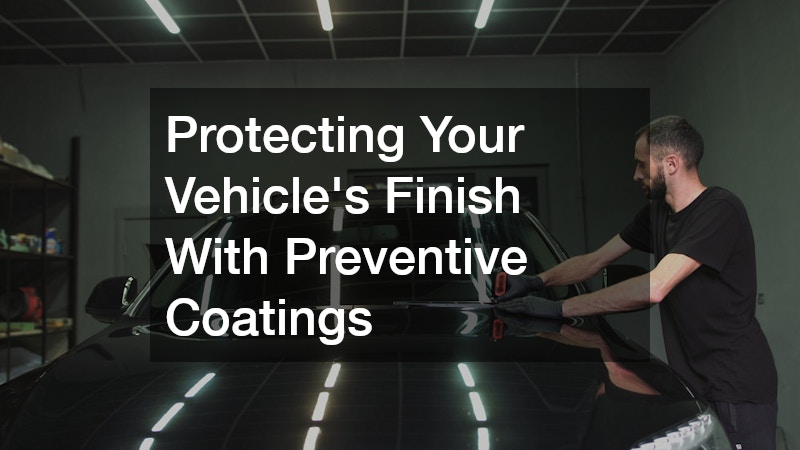
Once repairs are complete, many owners look for ways to protect their investment from future wear and tear. A professional paint protection film installer can apply a clear, durable layer over vulnerable areas like the hood, mirrors, and front bumper to guard against rock chips and minor abrasions. This type of protective barrier is especially useful for anyone who frequently drives on highways or gravel roads where debris is a common hazard.
Beyond protection, some owners choose custom car wraps to refresh their vehicle’s appearance or advertise a business, and these wraps can also serve as a protective layer over the original paint. Detection technology plays a role here too, since technicians need an accurate map of the vehicle’s surface condition before applying any film or wrap material. Skipping this step can trap existing imperfections underneath the new layer, leading to a less polished final result.
What to Expect During Insurance Claims and Estimates
Insurance claims can feel overwhelming, especially when technical jargon gets thrown around during the estimate process. Understanding that most reputable facilities now use standardized diagnostic reports can help you feel more confident advocating for a fair assessment. These reports typically include photos, sensor data, and measurement comparisons that make it easier to see exactly what damage occurred and why certain repairs are recommended.
When you review your estimate, ask for the diagnostic printout alongside the written quote. Look for pre- and post-scan results, which show whether hidden electronic systems like airbags, sensors, or cameras were affected even if the exterior damage looks minor. Many shops now use 3D measuring systems that compare your vehicle’s frame to factory specifications down to the millimeter, giving you objective proof of structural damage rather than a technician’s estimate alone.
It’s also worth knowing that insurance adjusters increasingly rely on this same data to calculate payouts, so a well-documented report can actually work in your favor. If your estimate seems lower than expected, ask specifically whether calibration procedures for advanced driver-assistance systems (ADAS) were included, since these recalibrations can add several hundred dollars to a repair but are essential for safety. Don’t hesitate to request a second opinion if the numbers don’t add up—reputable shops welcome the scrutiny because their data speaks for itself.
- Request a copy of the diagnostic report for your own records, including sensor scan data and photos of any hidden damage found
- Ask how the estimate accounts for both visible and hidden damage, such as frame misalignment or sensor calibration needs behind the bumper
- Clarify whether OEM parts or aftermarket parts will be used, and ask how that choice affects cost, warranty, and fit
- Confirm the timeline for repairs based on parts availability, especially for ADAS components that may be backordered for weeks
- Ask if ADAS recalibration is included in the estimate, since this step can add $150-$500 and is often billed separately
- Verify which costs your insurer covers versus what you may owe out of pocket, particularly for calibration or diagnostic fees
- Don’t hesitate to get a second opinion if something feels unclear, especially if two shops report significantly different findings
Deciding Between Repair and Replacement After Major Impact
After a serious accident, one of the biggest decisions is whether specific parts should be repaired or replaced entirely. Detection systems help make this call more objective by measuring exactly how much stress a component has absorbed and whether it still meets safety tolerances. In many cases, auto collision repairs involving structural components favor replacement over repair simply because the risk of undetected weakness is too high.
This decision-making process also affects long-term vehicle value, since a well-documented repair history reassures future buyers that the work was done correctly. Keeping copies of all diagnostic reports and repair invoices can make a noticeable difference if you decide to sell the vehicle later. It’s a small step now that can save a lot of hassle down the road.
Advanced damage detection has fundamentally changed what a fair, thorough collision assessment looks like, giving consumers more transparency and safety than ever before. The next time your vehicle needs repairs, don’t hesitate to ask questions about the technology and processes being used before work begins. A little research now can help ensure your car is restored to a safe, reliable condition you can trust for years to come.