
No matter how defensive or experienced a driver happens to be, the sudden reality of a traffic accident is always a highly jarring experience. One moment, the drive is completely normal, and the next, there is a screech of tires and the unsettling sound of impacting metal. In the immediate seconds following a collision, adrenaline floods the human system, making it difficult to process exactly what just occurred. The absolute first priority must always be safety. Drivers need to turn off their vehicle ignition, activate the hazard lights, set up emergency flares if available, and check everyone in the vehicle for injuries before attempting to step outside. If the vehicles involved are blocking a busy thoroughfare and are still operational, moving them carefully to the shoulder can prevent dangerous secondary accidents. Once everyone is out of harm’s way and law enforcement is notified, exchanging insurance details and documenting the scene with high-resolution photos becomes the primary focus. Amidst this initial chaos, dealing with a severely damaged vehicle requires swift professional assistance. Arranging for reliable auto towing is crucial to clear the roadway and transport the vehicle to a secure holding area where it can be evaluated properly without causing further disruptions to public traffic or risking secondary collisions from oncoming motorists who may be distracted by the scene.
Navigating the Administrative and Logistical Maze
After the emergency vehicles depart and the dust begins to settle, a completely different type of challenge begins. Drivers often find themselves dealing with a barrage of phone calls from insurance adjusters, police officers requesting statements, and family members checking in on their well-being. Navigating this administrative maze requires a clear head and a methodical approach. It is standard practice for insurance companies to recommend specific national networks or preferred vendors for vehicle evaluations. However, vehicle owners should always remember that they possess the legal right to choose where their vehicle is inspected and repaired. Finding a trustworthy local auto service provider can change the entire dynamic of this stressful process. A dependable neighborhood provider acts as an objective guide, translating complicated insurance jargon into understandable terms and ensuring that the vehicle receives a truly comprehensive assessment rather than a rushed glance designed to minimize payout costs. Taking the time to gather all accident documentation, including police report numbers and witness statements, establishes a solid foundation for the recovery journey ahead, ensuring that no hidden financial surprises emerge later regarding storage or handling fees.
The Imperative Need for Internal Mechanical Diagnosis
A common mistake many motorists make after a minor or moderate collision is assuming that if the exterior looks acceptable, the vehicle is perfectly fine to drive. Modern vehicles are complex machines where structural components and mechanical systems are packed tightly together. The kinetic energy generated during a crash does not simply disappear; it travels through the frame and can shift internal components entirely out of place. A car might drive straight for a few miles, but hidden issues like pinched fuel lines, cracked radiator mounts, compromised fluid reservoirs, or warped steering links can cause sudden failures at highway speeds. Bringing the vehicle to a certified mechanic shop for a complete diagnostic scan is the only way to ensure total safety. Skilled technicians use diagnostic equipment to interface with the vehicle’s onboard computers, pulling hidden error codes that reveal sensor failures or engine misfires. They will lift the car to inspect the undercarriage for fluid leaks, bent suspension arms, and subtle structural shifts that are completely invisible from the outside, protecting the vehicle from catastrophic long-term mechanical degradation.
Restoring Vital Braking Components and System Integrity
Within the ecosystem of a vehicle’s mechanical components, the braking system is undoubtedly the most critical for passenger safety. The tremendous hydraulic pressure and physical strain placed on brakes during an emergency stop can cause severe wear or immediate damage, even if an actual impact is relatively minor. Sudden impacts can rupture flexible brake lines, crack caliper housings, or knock anti-lock braking sensors out of alignment. Furthermore, if the vehicle’s suspension is impacted, it can cause the brakes to apply unevenly, leading to rapid degradation and unpredictable stopping distances. Seeking a professional brake repair service after any incident is a fundamental step in making the vehicle roadworthy again. Technicians will thoroughly inspect the rotors for warping, measure the remaining pad thickness, bleed the hydraulic lines to remove trapped air, and verify that electronic stability systems function correctly. Documenting these vital safety restores not only provides immediate peace of mind for the daily commute but also serves as an important record of diligent maintenance that adds tangible value for any future buyers looking for verifiable safety compliance.
Realigning the Structural Skeleton of the Vehicle
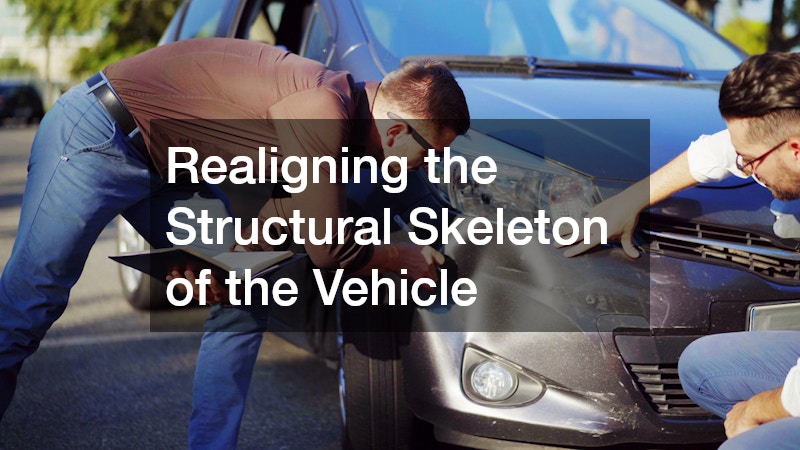
When a collision involves significant speeds, the structural framework of the vehicle is engineered to absorb the impact to protect the cabin. This safety design means that the frame or unibody structure is highly likely to bend or crumple under stress. Driving a vehicle with a compromised frame is incredibly dangerous, as it alters the car’s handling dynamics and drastically reduces its ability to protect occupants in a subsequent accident. Executing proper collision repairs requires highly specialized equipment and deep structural knowledge. Specialized technicians secure the vehicle onto a heavy-duty frame alignment rack, utilizing computerized laser measuring systems to compare the current shape against original factory specifications down to the exact millimeter. Hydraulic equipment is then used to carefully pull and reshape the high-strength steel back to its exact original dimensions. If certain structural pieces are deformed beyond safe limits, they must be cut out and replaced using precise factory welding procedures. This demanding process restores the underlying structural safety of the vehicle, ensuring it remains strong, balanced, and dependable for years to come.
The Delicate Process of Auto Body Restoration
Once the hidden structural foundation of the vehicle is confirmed to be straight and safe, the focus shifts to repairing the exterior panels. Scraped doors, crushed fenders, and dented quarter panels are not merely cosmetic issues; they can compromise aerodynamics, allow moisture to reach raw metal, and drastically lower the car’s overall valuation. High-quality auto body repair is a meticulous process that blends physical craftsmanship with an understanding of modern materials. Technicians utilize an array of specialized tools, such as stud drivers, dent pullers, and specialized smoothing compounds, to meticulously restore the original curves and lines of the vehicle. Working with modern automotive bodies requires distinct expertise, as contemporary cars utilize a mix of lightweight aluminum, traditional steel, and flexible plastics, each requiring specific temperatures and techniques to repair without causing material fatigue. Ensuring that all panel gaps are perfectly uniform is essential, as uneven spaces around hoods or trunks are immediate red flags that indicate past structural trauma to insurance appraisers and future buyers alike.
Diagnosing and Fixing Intricate Drivetrain Problems
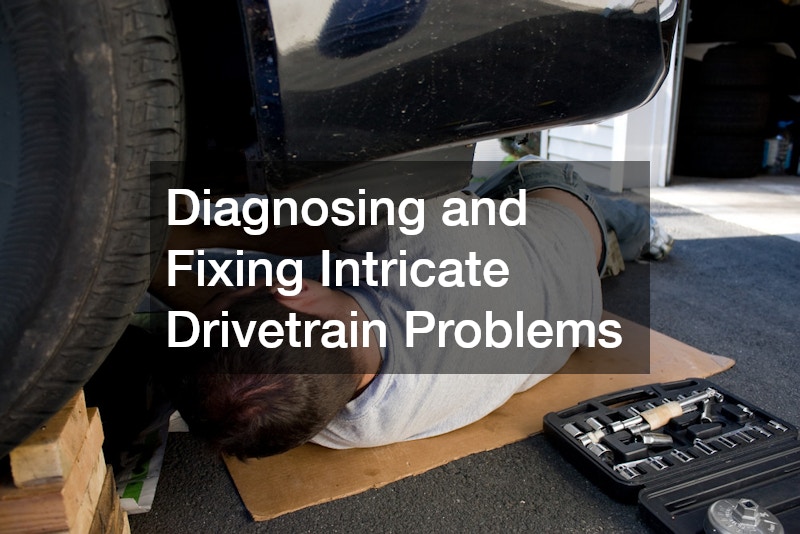
While body panels and frames are designed to bear the physical brunt of an impact, the severe vibration and sudden deceleration of a crash can send destructive shockwaves straight into the powertrain. The gearbox is particularly vulnerable to these sudden physical forces. A severe front-end or rear-end impact can force the engine assembly slightly backward, placing immense sudden pressure on the driveshaft and internal gear mechanisms. This can result in fractured transmission casings, damaged torque converters, or misaligned internal seals that slowly leak vital fluids. Anyone noticing delayed engagement, slipping gears, or unusual grinding noises after an accident should immediately prioritize a professional transmission repair assessment. Because the drivetrain is one of the most mechanically complex and expensive systems inside a vehicle, catching these issues early prevents minor fluid leaks from developing into costly internal failures. Specialized mechanics will analyze the fluid for metal particles, check electronic shifting solenoids, and ensure the entire gear assembly operates smoothly under normal driving conditions, thereby preserving the car’s essential core performance.
Selecting a Qualified Refurbishment Center
Achieving a truly seamless recovery requires choosing a facility that possesses the right tools, training, and environment for high-level restoration work. Not every repair center has the infrastructure required to handle complex structural and aesthetic reconstructions simultaneously. Trusting your vehicle to a dedicated body shop ensures that the technicians working on your vehicle possess specific certifications and access to original equipment manufacturer parts. High-quality facilities invest heavily in clean, dust-free workspaces and advanced diagnostic machinery to ensure that repairs are executed to exacting factory standards. Furthermore, reputable facilities maintain clear communication with vehicle owners, providing detailed written estimates, processing insurance paperwork efficiently, and offering transparent timelines for completion. By avoiding cut-rate repair operations and choosing an established facility, owners protect themselves from subpar workmanship that could compromise vehicle safety and lead to rapid depreciation down the road. This careful selection ensures that the vehicle is restored to its pre-accident condition without unnecessary stress, delays, or hidden fees.
Achieving a Flawless Exterior Finish
Even the most perfectly straight frame and smoothest metal panels will fail to impress if the exterior paint finish is substandard. Matching modern automotive paint is a highly technical science that involves far more than simply looking at a color chart. Factors like paint fade from sun exposure, original factory metallic flakes, and multi-stage clear coats mean that blending new paint with old panels requires immense skill. A professional car paint shop utilizes computerized spectrophotometers to scan the vehicle’s existing paint and generate an exact chemical formula for the matching hue. The application process occurs in a pressurized, heated spray booth to prevent airborne dust from ruining the finish. Technicians apply multiple layers of primer, base color, and durable clear coats, followed by extensive baking and polishing to achieve a brilliant, factory-like shine. A flawless paint finish completely erases the visual history of the accident, which is incredibly vital for retaining the vehicle’s long-term resale value and appealing to discerning buyers who demand absolute visual perfection from a pre-owned automobile.
Electronic Calibration and Upgraded System Checks
Modern vehicles are highly integrated electronic environments, relying on a vast network of sensors, cameras, and wiring looms to control safety systems and cabin features. Bumpers and mirrors frequently house delicate radar sensors for blind-spot monitoring and park assist features that require careful electronic recalibration after any physical repair. Additionally, integrated convenience systems or aftermarket upgrades, such as customized remote start installations, must be checked thoroughly to guarantee that the underlying wiring harnesses were not pinched or damaged during the impact. A minor electrical short or a compromised grounding wire can lead to mysterious battery drains, non-functional key fobs, or unexpected dashboard warning lights weeks after the physical repairs are completed. Ensuring that every electronic module, convenience feature, and safety sensor communicates perfectly with the central vehicle computer is the final technical hurdle in the restoration process. When the vehicle’s technology operates flawlessly, it completely restores the premium experience of the cabin, providing modern reliability for daily travel and protecting electronic assets.
Securing Future Resale Value and Market Trust
The final phase of the post-accident roadmap focuses on protecting the financial investment wrapped up in the vehicle. An accident history can naturally cause concern for future buyers or dealerships when the time comes to sell or trade in the car. However, an owner can effectively combat the effects of diminished value by practicing absolute transparency, filing appropriate insurance claims, and maintaining impeccable service records. Keeping a dedicated folder containing every single repair invoice, diagnostic scan report, and wheel alignment printout serves as definitive proof that the vehicle was restored to elite standards by certified professionals. In the pre-owned automotive market, a thoroughly documented repair history transforms a potential red flag into a non-issue. Prospective buyers are far more willing to pay a fair market price when they can see that high-grade parts were used and that safety systems were verified by experts. Furthermore, this transparency protects the seller from potential future liabilities, building an unshakeable bond of trust during the negotiation process. Ultimately, experiencing an unexpected collision is a stressful disruption, but navigating the recovery process with a meticulous, step-by-step strategy ensures that your vehicle returns to the highway in a safe, pristine condition. By prioritizing internal mechanics, structural integrity, aesthetic perfection, and electronic precision, a vehicle owner can confidently protect both their personal safety and the long-term value of their automotive asset, turning a major roadside setback into a distant memory and securing total confidence for the next chapter of the vehicle’s operational life.